China builds more forklifts than any other country, and the honest answer to whether they are any good is that it depends on the brand, the engine in it, and who near you has fixed one before. This page ranks the Chinese forklift brands worth shortlisting and says where they fall short.
We sell Chinese forklifts and build none of them, so we own no factory to defend. Nearly every other page answering this question is published by a Chinese maker selling its own trucks.
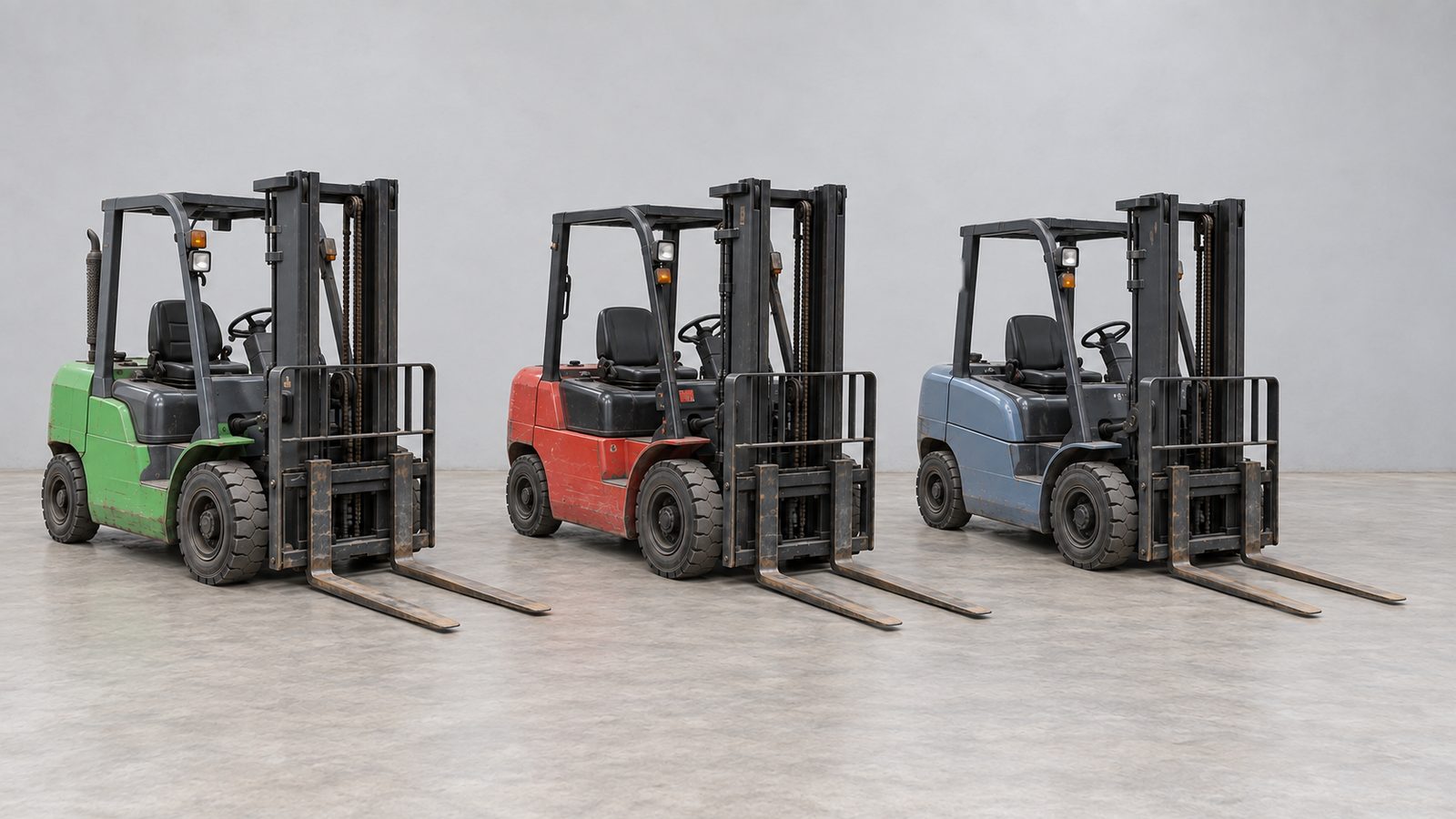
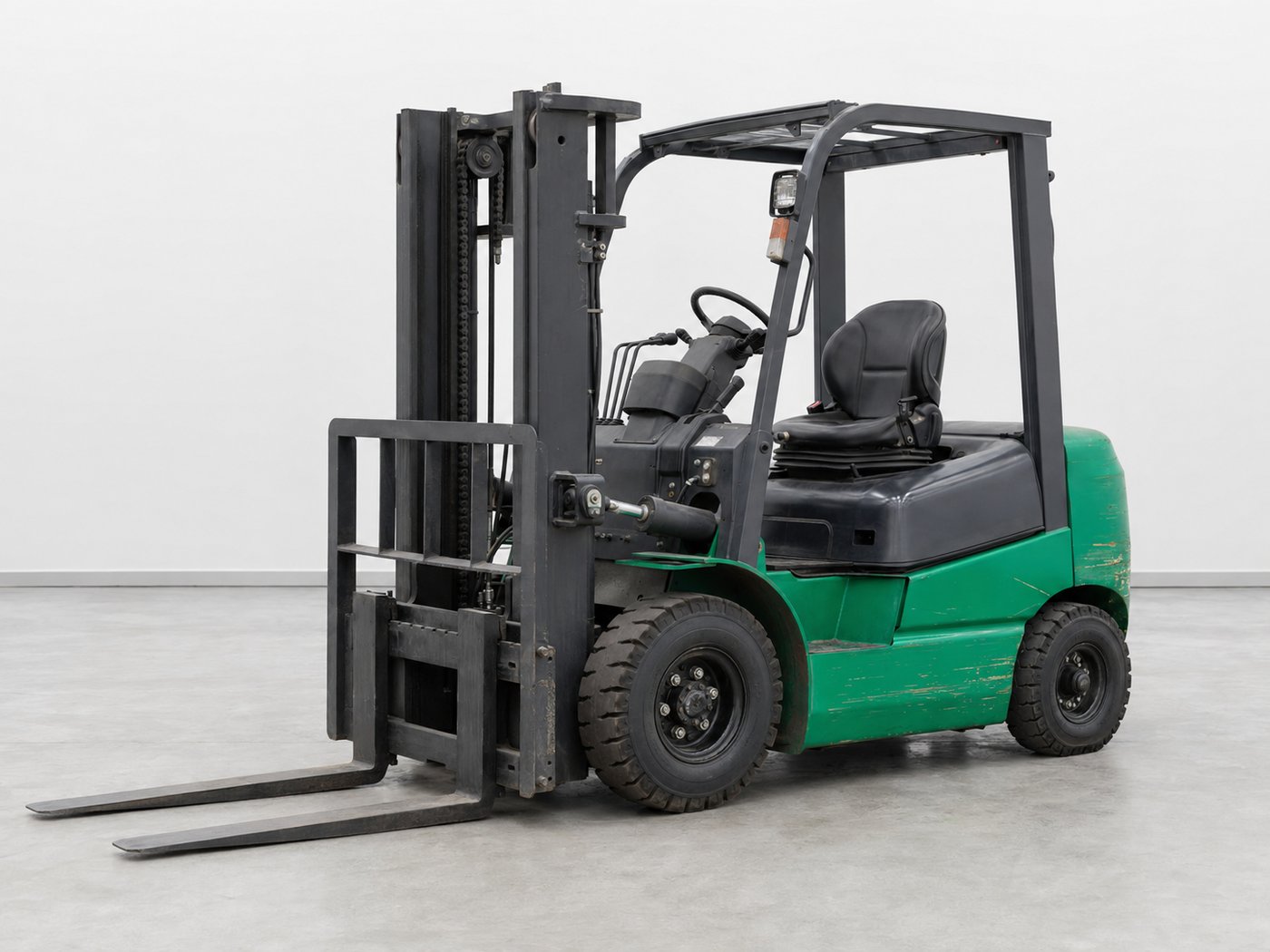
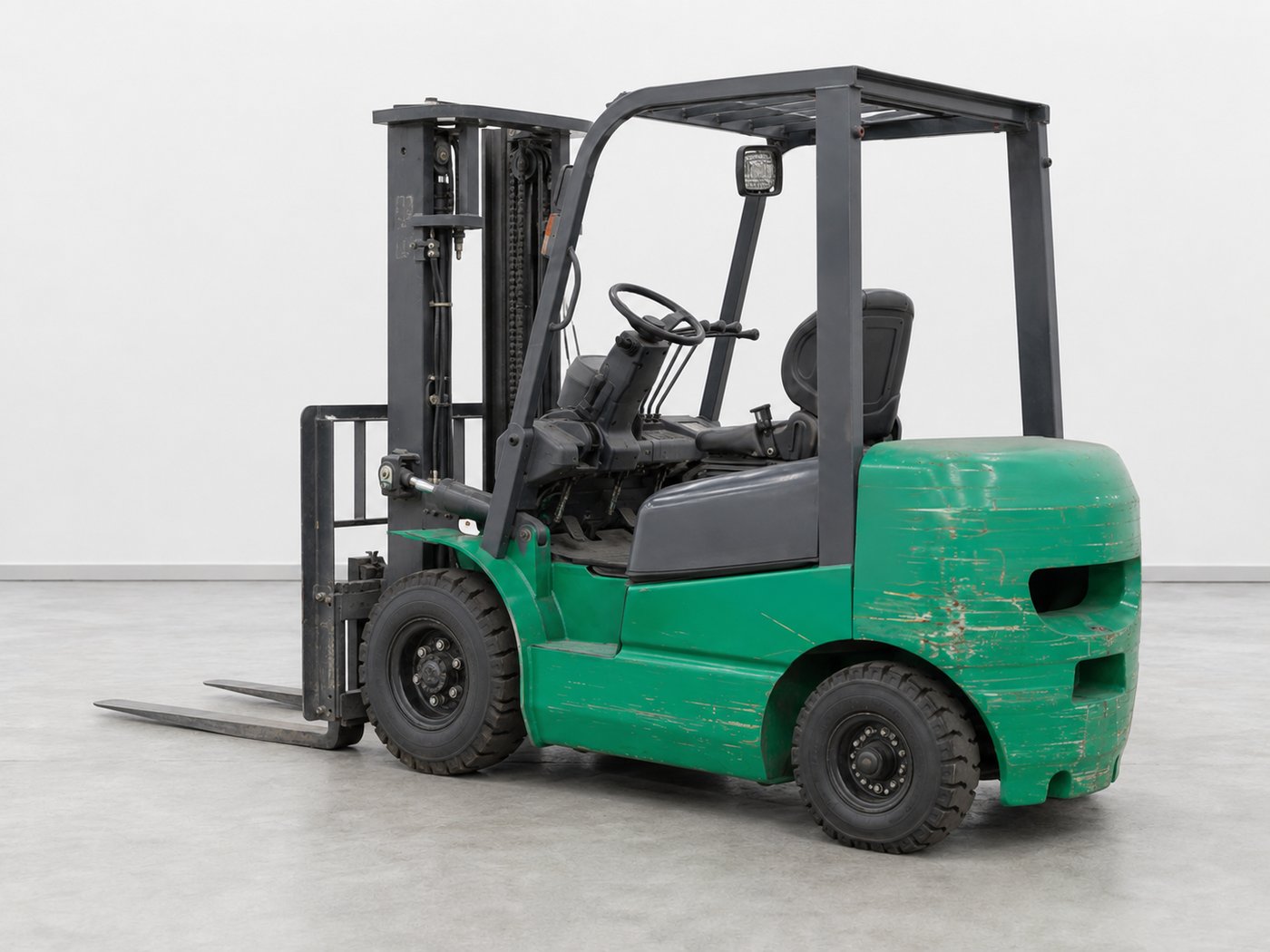
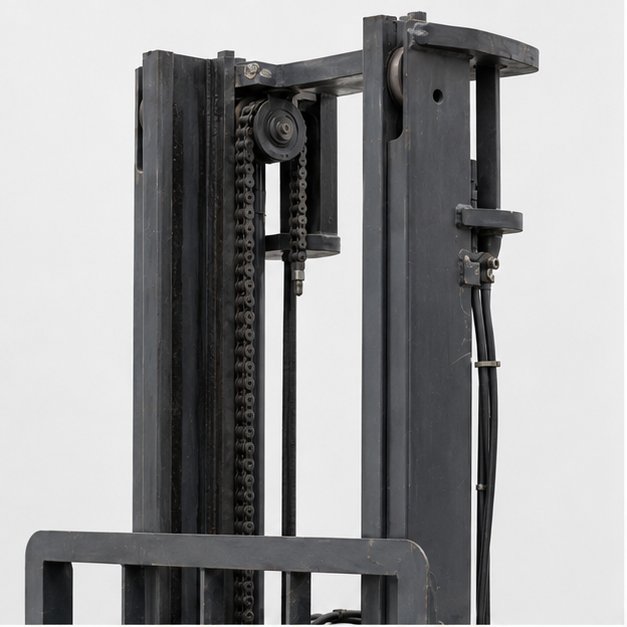
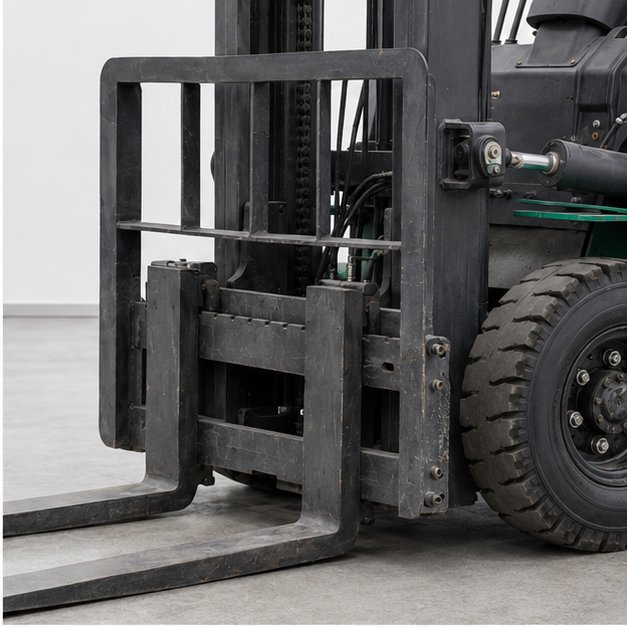
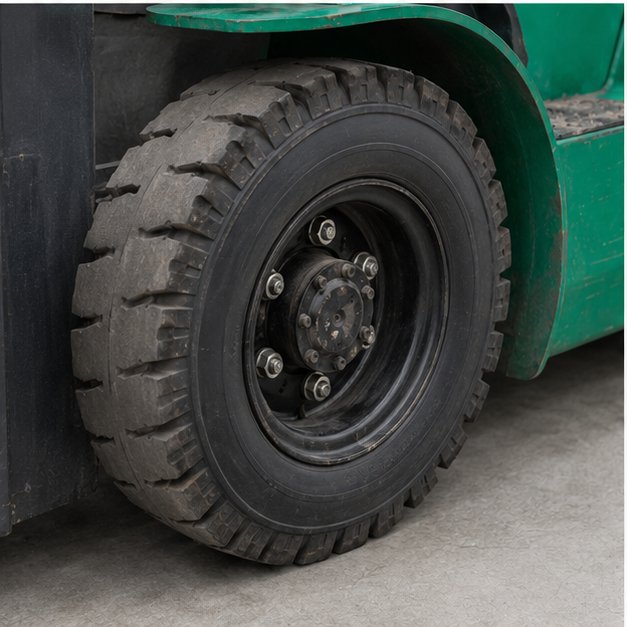
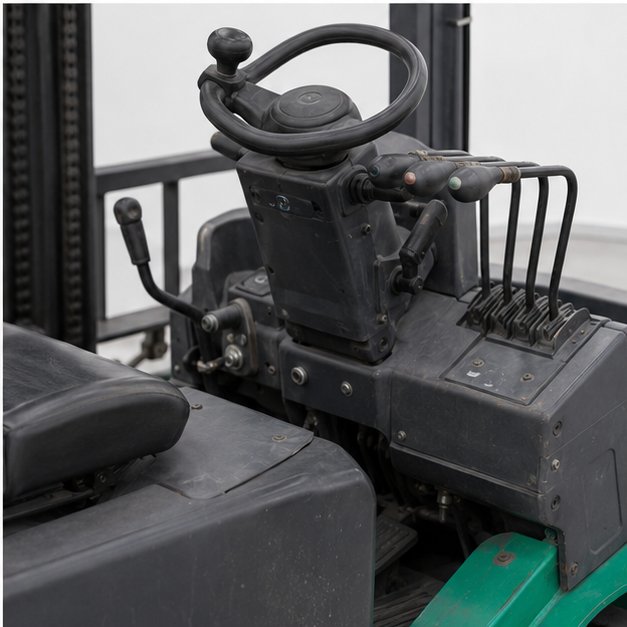
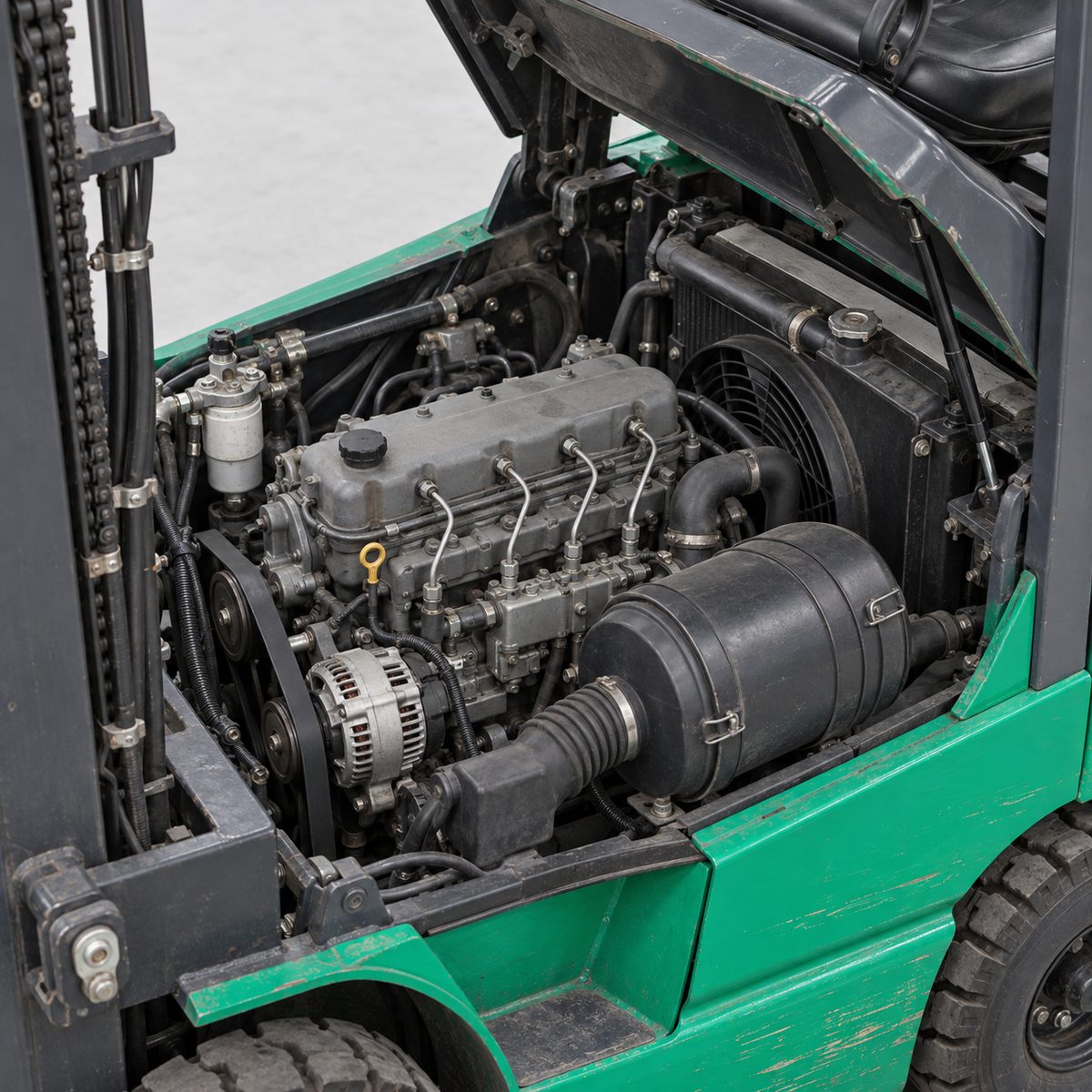
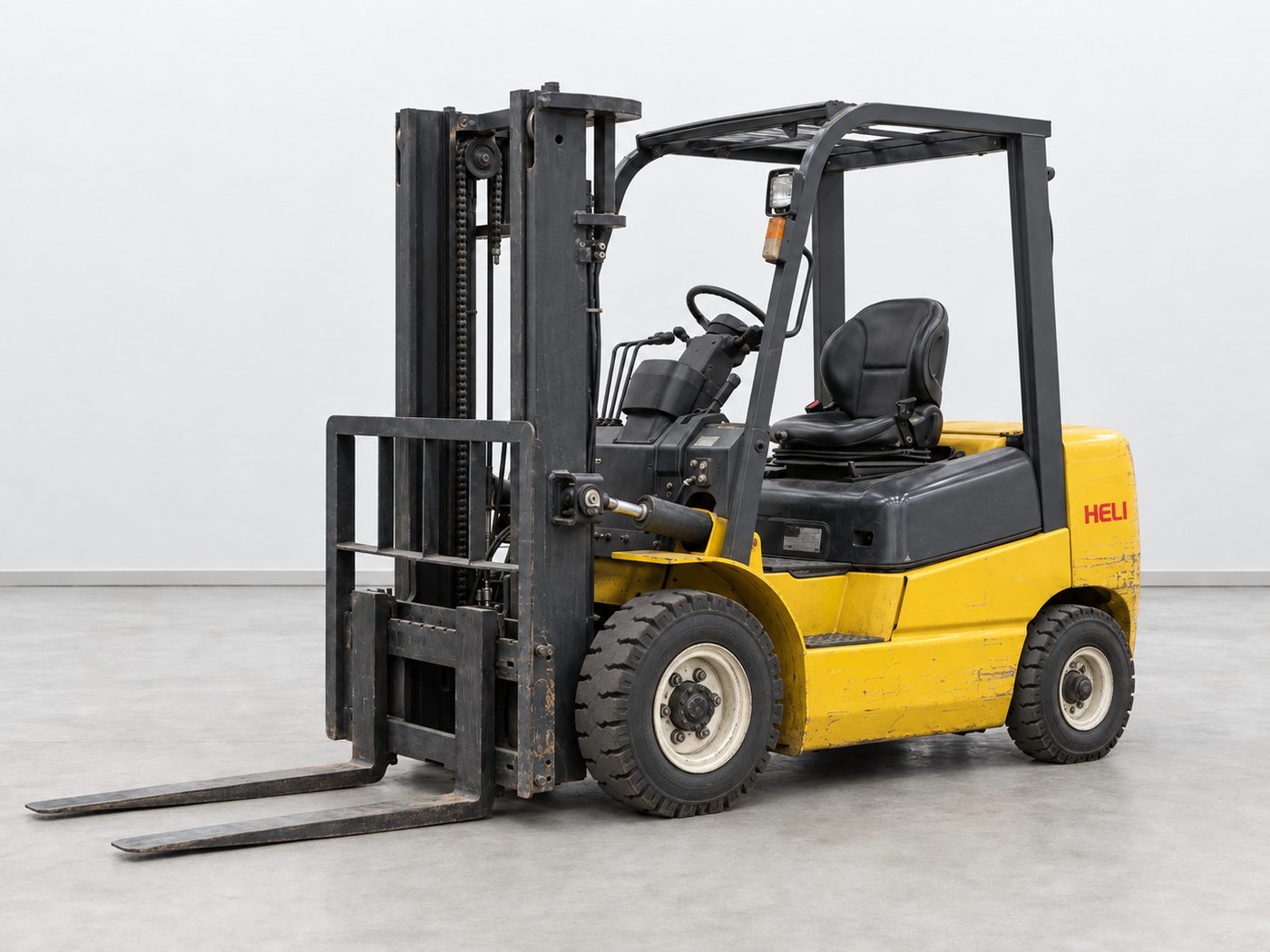
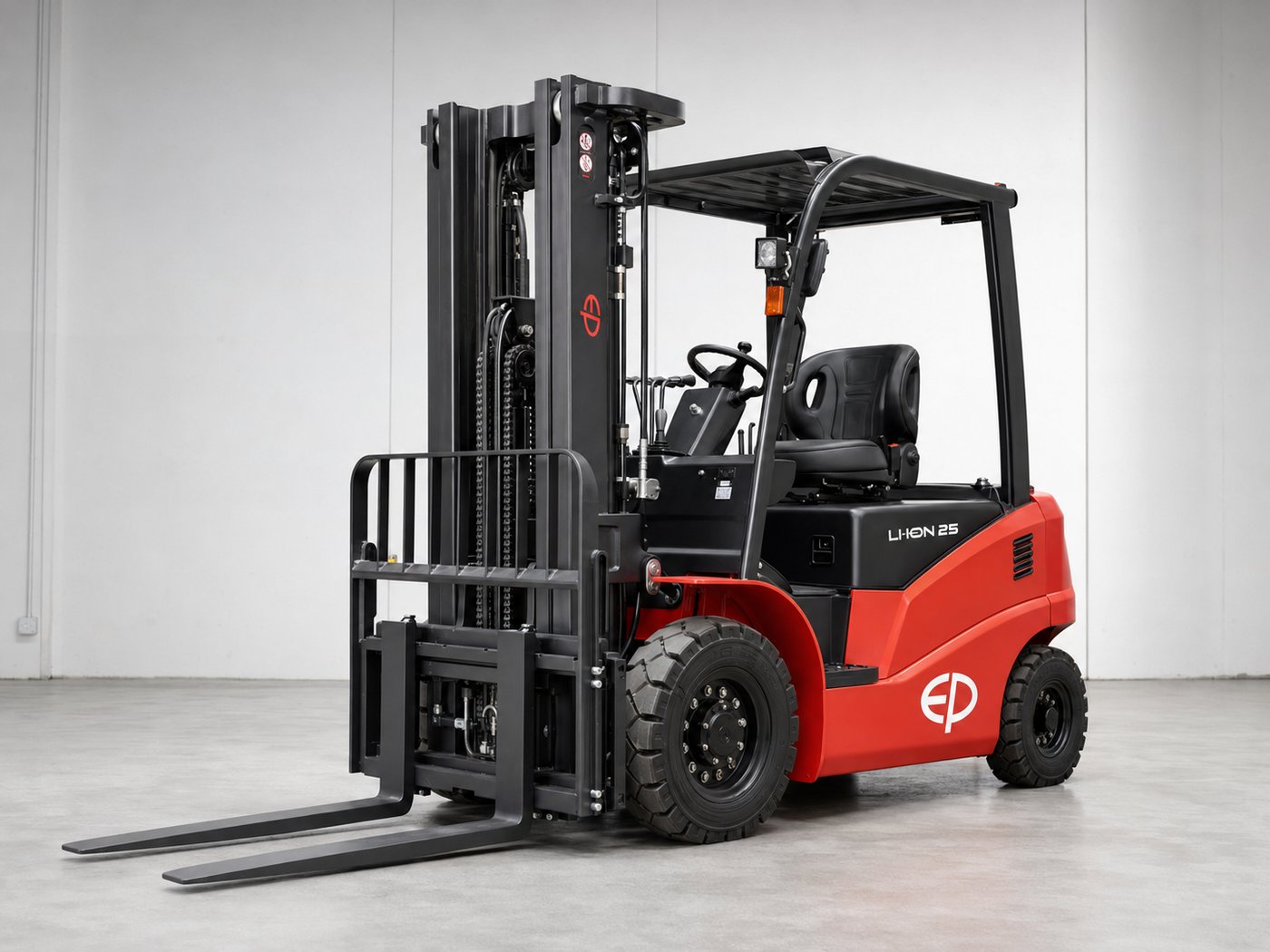
These show the type of machine we source in this brand. They are not photos of a unit we are holding. When we find your machine you get real photos of that exact one.


For most buyers outside China the shortlist is Heli, Hangcha and EP. Those three carry the export volume, the parts pipeline and the dealer coverage to be a sensible risk. Lonking, BYD and Baoli build real machines too, but support outside China thins fast.
| Brand | Where it sits | Genuinely good at | The catch |
|---|---|---|---|
| Heli | 7th worldwide by revenue | Biggest Chinese export volume | Quality varies by year and engine |
| Hangcha | 8th worldwide | Broadest lithium range, better dealers abroad | Priced close to Heli |
| EP Equipment | 12th worldwide, founded 2007 | Cheapest route into lithium | Newest, field reports most mixed |
| Lonking | Shanghai listed machinery group | Low cost counterbalance | Support thin outside China |
| BYD | Electric only, on sale since 2014 | Lithium iron phosphate cells in house | Narrow range, priced above value brands |
Those places are from Modern Materials Handling's 2025 revenue ranking. Size tells you the aftermarket stocks for a brand, not whether this machine was built well. More on the Heli, Hangcha and EP pages.
A new Chinese counterbalance comes in well under a Japanese or European truck of the same capacity. Most of that gap is structural rather than a quality cut: cheaper labour, huge domestic volume, a local supply chain for steel and engines, and far less research and dealer overhead.
You will see that gap put at an exact percentage all over the trade. We could not find it published by anyone who actually measures it, so treat any percentage you are quoted as a dealer claim until you have two comparable quotes in writing.
Scale is most of it: Chinese makers sold around 1.45 million industrial trucks in 2025 on the China Industrial Truck Association's count, 545,000 of them exported on customs figures. The genuine difference is the engine, which decides who can keep it running.
| Engine | Made by | Commonly fitted to | What it means for you |
|---|---|---|---|
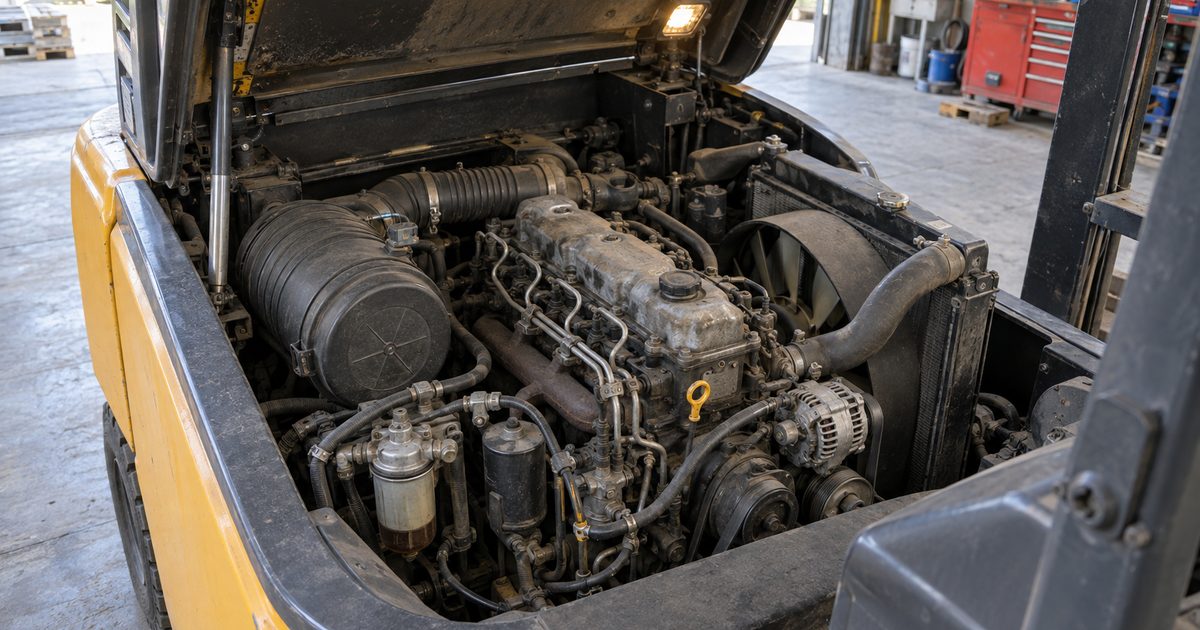
| Xinchai 490, 495, 498 | Chinese, as are Quanchai and Xichai | Most budget export builds | Cheap parts, simple, shorter life |
| Isuzu C240 | Japanese | 2 to 3 ton diesel option | Parts and know-how almost anywhere |
| Isuzu 4JG2 | Japanese | Larger diesel builds | Same parts story, more power |
| Yanmar 4TNE98 | Japanese | Higher spec export builds | Good engine, parts dearer |
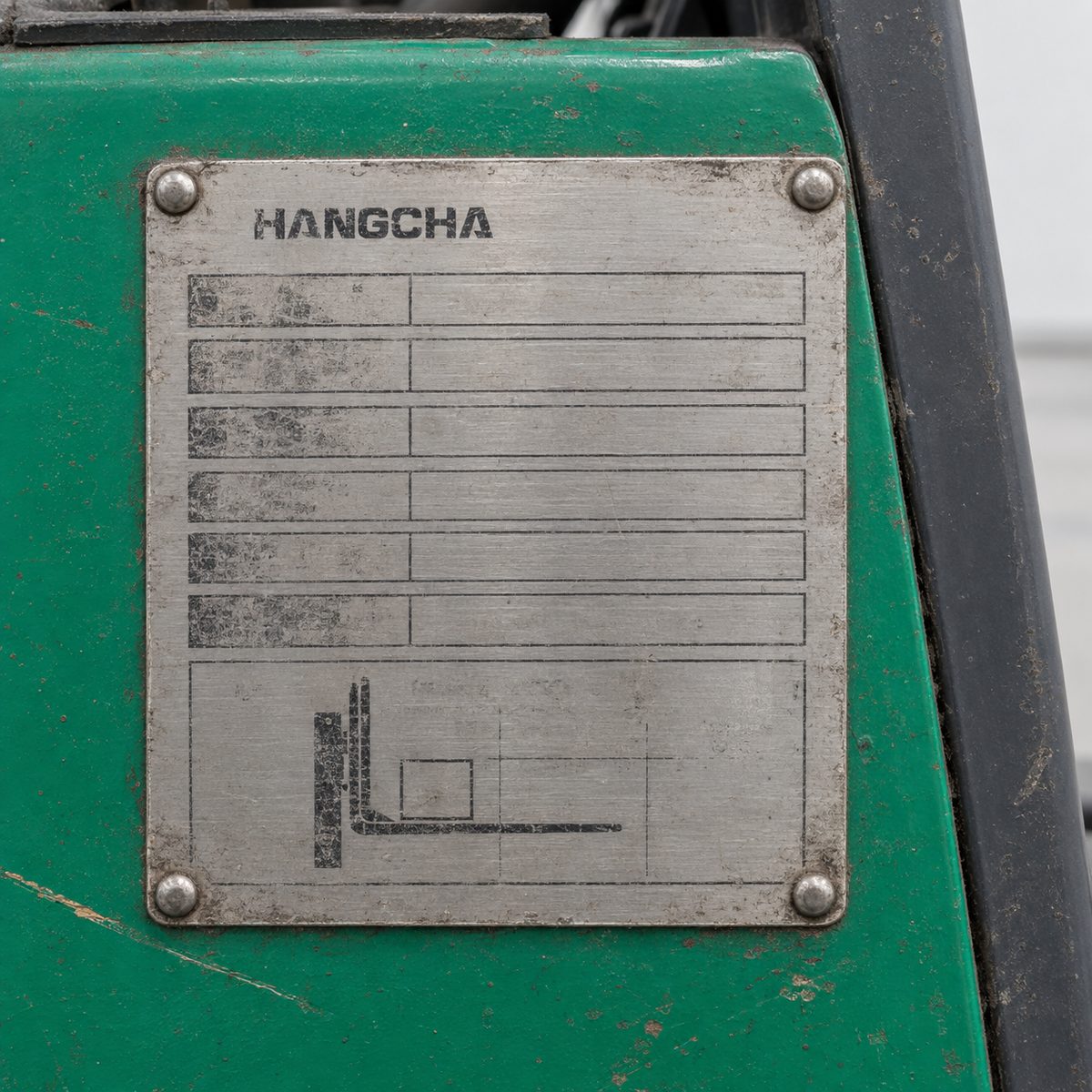
Fitment varies by year and spec, so read the plate on the engine, not the brochure, and our guide to forklift engines covers each one. Into the European Union or the United States the engine must also carry EU Stage V or EPA Tier 4 Final certification, which a domestic Chinese engine does not, so it can be stopped at the port.
All three use the same Chinese national model code, so once you can read it you compare them like for like. Heli is the export volume brand, Hangcha is strongest on lithium and dealers abroad, and EP came through warehouse equipment and sells the cheapest lithium counterbalance going.
So a Heli CPCD25 and a Hangcha CPCD25 describe the same truck. CPD25 is the battery electric version, because there the D stands for electric drive. EP uses EFL on its lithium range. Capacities are typical and fall once a tall mast or attachment goes on, so confirm the data plate. Brand by brand it is in our forklift model number decoder.
Heli turns up most often second hand outside China, and the aftermarket stocks for what is common. At 2.5 tons diesel the three sit close enough that what settles it is which has somebody near you who has worked on one.
Chinese trucks win on purchase price and on parts. Japanese trucks win on working life and on resale. European trucks win on how they drive. The table is the version you can check.
| Judged on | Chinese | Japanese | European |
|---|---|---|---|
| Typical brands | Heli, Hangcha, EP | Toyota, Komatsu, Mitsubishi | Linde, Jungheinrich |
| Price new | Lowest | Middle to high | Highest |
| Working life | Shortest | Longest | Long |
| Price of parts | Lowest | Middle | Highest |
| Parts worldwide | Good on wear items, slow on factory parts | Best of any group | Good in Europe, patchier outside |
| Resale at three years | Weakest | Strongest | Strong in Europe, weak outside |
| Suits | Light to medium duty | Hard daily work, long ownership | Long shifts, driver comfort |
Technicians who work on all three say two things that are both true. The simpler designs carry far less electronics than a modern European truck, so they are quicker to diagnose and cheaper to fix. And under heavy continuous use they do not last, with complaints on fasteners, hose clamps and finish rather than anything structural.
Wider view in the best forklift brands in the world, or the Toyota and Komatsu pages.
Wear parts, yes, almost anywhere. Filters, seals, brake parts, chains, forks, tyres and hoses for Heli and Hangcha are carried by the global aftermarket, and TVH publishes parts programmes for both brands. The factory only items are the problem: the controller, the display, the cab glass and the body panels.
The question before you buy is not whether parts exist. It is who within a day's drive has opened one before.
That is the strongest argument for the Isuzu engine option. Our used forklift buying checklist covers what to inspect once the parts question is settled.
Less than a Japanese machine of the same age and hours, and that gap is the real cost of the cheap purchase price. Chinese trucks depreciate faster and the used market is shallower, so fewer buyers bid when you sell.
Run it until it stops and resale is somebody else's problem. Trade out in three years and the day one saving has to beat the resale gap plus the downtime.
Buy a Chinese forklift if:
Do not buy one if:
In that group the honest answer is usually a well kept used Japanese machine at similar money. Read how many hours is too many and new versus used.
Buying direct from a factory listing is legitimate and plenty do it well. The risk is rarely a fake factory, it is the payment structure: roughly 30 percent deposit up front and the other 70 percent before the machine leaves China, so you pay in full before anyone acting for you has seen it.
Alibaba Trade Assurance helps, but read its limits as hard as its promise. It covers only orders paid through the platform, so if a supplier moves you to a bank transfer the protection goes too. Cover is capped, and a quality claim needs an approved inspector.
Vague terms are not enforceable either. High quality is not a specification. CPCD25, Isuzu C240, 3 metre triplex mast, rated 2,500 kg at a 500 mm load centre, that is. What protects you at the 70 percent point is an independent pre-shipment inspection, by SGS or Bureau Veritas.
A broker changes that risk rather than removing it, and we are one. You get one party answerable for the spec, the inspection and the papers, and the long version is in buying a forklift from overseas without getting burned.
We do not sit on a yard full of Chinese forklifts. You tell us the capacity, the fuel, the mast and the destination, we go and find machines that match, and we send real photos and video of the actual unit before you commit.
We source Chinese counterbalance trucks from 1.5 to 3.5 tons in diesel, LPG and electric, heavy diesel to 10 tons, plus warehouse stackers, pallet trucks and reach trucks.
To quote we need the capacity you lift, the lift height, whether the machine works inside a container or under a low doorway, the fuel, the tyres and the destination port. For container work read the container spec forklift guide first, because collapsed mast height decides it.
We quote landed at your port so you can compare against a local price. No figures here, because a fair price depends on the year, the hours and the spec. Our guide to forklift shipping costs worldwide explains what is inside it.
Last thing, and we mean it. If a used Japanese machine is the better buy for your work, we will say so and source that instead. See how our sourcing works, or send us the spec and let us go and look.
Tell us which of these fits your work, or just tell us your loads and your site and we will point you at the right one.
Whatever brand you buy, this is the list we work through on the machine we source for you, and we photograph every one of them.
For light to medium duty work, yes. The mainstream brands build conventional, simple machines that lift what they say they lift and cost far less to buy and to repair. They are not as durable as a Toyota or a Komatsu under heavy continuous use, and they are worth less when you sell. Judge the machine and the engine in it, not the country.
Heli and Hangcha are the two safest choices for most buyers, sitting seventh and eighth in the world by lift truck revenue, with EP twelfth if you want lithium cheaply. Between Heli and Hangcha there is no clear winner in the abstract. Pick the one somebody near you can service.
Mostly structural reasons rather than corner cutting: lower labour cost, huge domestic volume, a local supply chain for steel, castings and engines, and much lower research and dealer overhead. The genuine differences are in the engine, the controller and the finish on seals and fasteners, which is why the engine option matters so much.
Wear parts are widely available through the global aftermarket, and TVH publishes parts programmes for both brands. Factory only parts such as controllers, displays and body panels usually ship from China and take weeks rather than days. Check who supports the brand near you before you buy, not after.
It can be, if you keep the payment on the platform, write a precise specification into the contract and pay for an independent pre-shipment inspection before you release the balance. The standard 30 percent deposit and 70 percent before shipment term means you fund the whole machine before anyone has seen it, so the inspection is the part you should not skip.
New Chinese gives you a warranty, zero hours and current parts support. Used Japanese gives you a longer remaining life and much better resale if it was looked after. For hard daily work we usually point buyers at the used Japanese machine. For lighter or occasional work the new Chinese one is better value.
Tell us the capacity, the fuel and your nearest port. We go and find the machine, send you real photos of it, and quote the landed price.
Heli is the seventh largest lift truck maker in the world and the largest in China. Here is what the model code tells you, which engine is likely under the bonnet, and what owning one really involves.
Read the brand guide →
Hangcha now sells nearly as many forklifts a year as Toyota, and most of them run on a battery. Here is what that buys you, where it costs you, and how a new one compares to a used Japanese machine at the same money.
Read the brand guide →
EP builds the cheapest lithium electric forklifts on the market and the field reports on them are genuinely mixed. Here is where an EP holds up, where it does not, and who should buy one.
Read the brand guide →