Heli is the biggest forklift maker in China and the seventh biggest in the world, and the honest answer to are Heli forklifts any good is that it depends on the build in front of you. Two machines can carry the same CPCD25 badge and be different buys, because one has a Japanese Isuzu engine in it and the other has a Chinese one.
This page is how you tell them apart. We sell these machines and we do not build them, so we can say what a factory website will not. Heli sits inside the wider Chinese forklift brands picture.
Yes, for most of the work most buyers do. Anhui Heli was founded in 1958, listed on the Shanghai Stock Exchange in 1996, and sold 340,218 industrial trucks in 2024. On revenue it sits seventh in the Modern Materials Handling world ranking of lift truck suppliers, one place above Hangcha.
The money buys a plain, heavy truck built the old way. Steel mast, chains, torque converter, hydraulics a mechanic can follow without a laptop. Far from a dealer, that is the right kind of old fashioned.
The other half is real too. Finish quality varies more than on a Japanese truck, usually in the wiring, the cab trim and the ram seals. Dealer support outside China is thinner than Toyota's. Heli says it has led the Chinese market for more than thirty years, which is a company claim rather than an audit.
Heli uses the Chinese naming convention, and every letter in it is the first letter of a Chinese word written in pinyin. Learn it once and CPCD25 becomes a specification rather than a part number.
Most Chinese makers share the system, so Hangcha and EP codes look like Heli codes.
| Code on the machine | What it actually is |
|---|---|
| CPCD25 | 2.5 tonne diesel counterbalance, torque converter |
| CPC25 | Same truck, mechanical gearbox, mostly older builds |
| CPQD25 or CPQYD25 | 2.5 tonne petrol, or petrol and LPG dual fuel |
| CPD25 | 2.5 tonne battery electric, lead acid or lithium |
| CQD15 | 1.5 tonne electric reach truck, a warehouse machine |
| CPCD50 | 5 tonne diesel counterbalance |
The suffix after the number is where people get stuck. Machines list as CPCD25-WS1K2, CPCD30-WS1H or CPCD50-CU9G3, and those letters carry the series, so K2, H3 and G3 are generations of truck, not sizes. There is no published key to every suffix, so read it as a series marker and confirm the build on the data plate. Our forklift model number decoder sets Toyota, Komatsu, Linde, Hyster and the Chinese system side by side.
They are the two biggest Chinese makers and they sit far closer to each other than either does to a Japanese truck. On the 2025 Modern Materials Handling ranking, built on 2024 revenue, Heli came seventh and Hangcha eighth.
| Question | Heli | Hangcha |
|---|---|---|
| World rank by revenue, 2025 list | 7th | 8th |
| Trucks sold in 2024 | 340,218 | 280,012 |
| Code system | CPCD, CPQYD, CPD | CPCD, CPQD, CPD |
| Strongest suit | Diesel range and heavy capacities | Lithium and battery warranty terms |
The badge rarely decides it. On outdoor diesel work both build a competent truck, and the tie breaker is which engine that particular build carries and who can support it near you. Moving indoors to lithium, read the Hangcha page first, because that is where their effort has gone. Tighter budget and light duty, the EP page covers the cheapest lithium option honestly, including the parts of it that are not good.
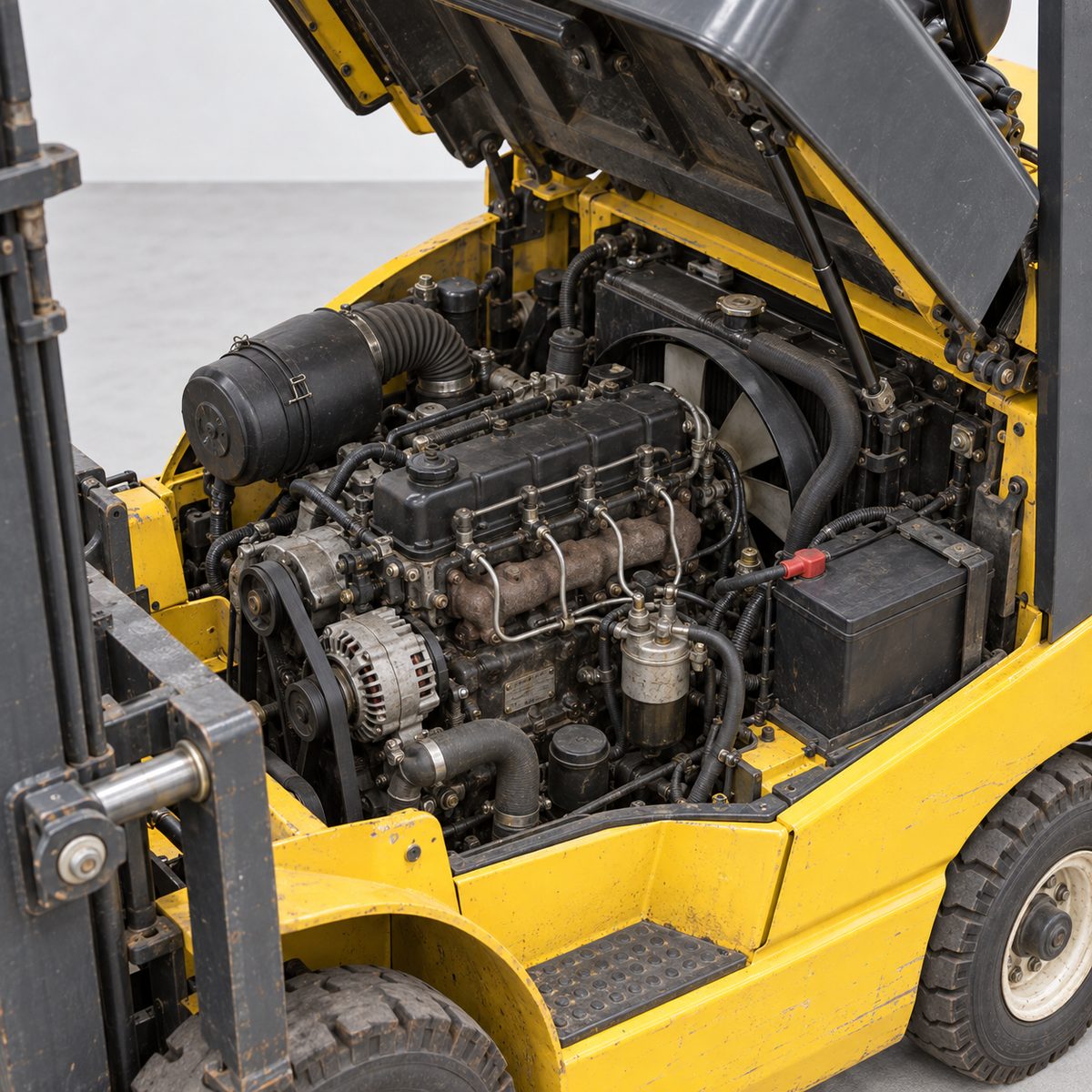
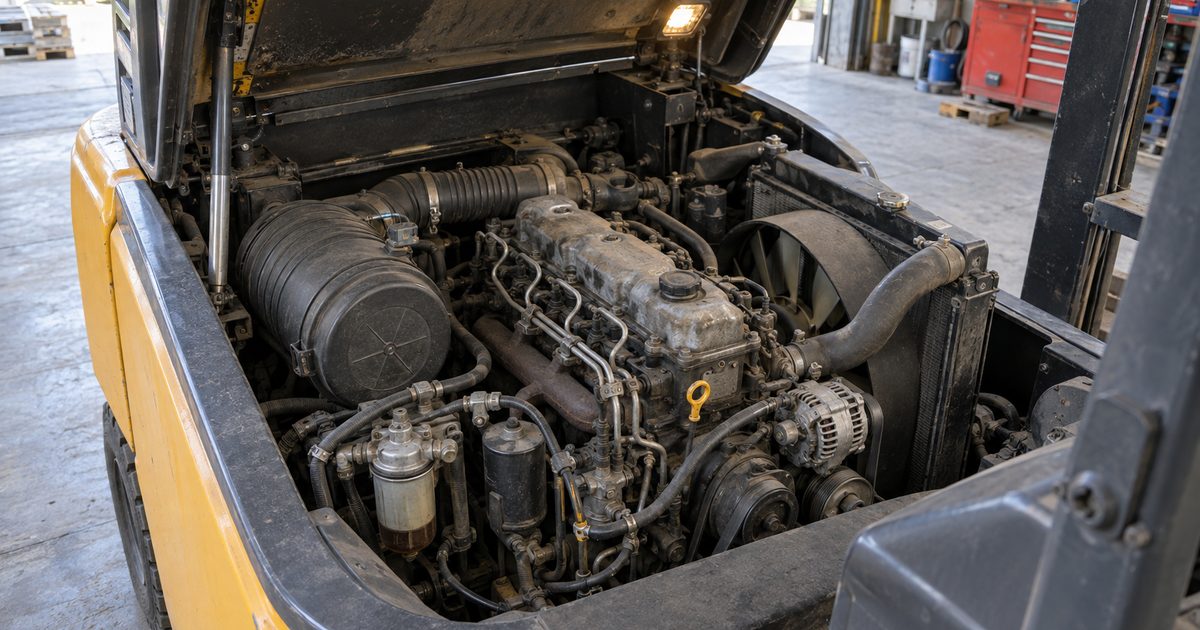
This is the most important question on the page and it is the one nobody asks. Heli builds the same model with different engines for different markets. A CPCD25 with an Isuzu C240 and a CPCD25 with a Chinese Xinchai unit are the same truck and two different ownership stories.
| Build you are likely to meet | Engine commonly fitted | What it means for you |
|---|---|---|
| 2 to 3 tonne diesel, imported engine spec | Isuzu C240, shown as C240PKJ on Heli data sheets | Old and simple, supported almost anywhere |
| 3 to 3.5 tonne diesel, imported engine spec | Isuzu 4JG2 | Any Isuzu diesel shop can work on it |
| 2 to 3.5 tonne diesel, Chinese engine spec | Xinchai 490, 495 and 498 family, or Quanchai | Cheaper to buy, parts route runs to China |
| 5 tonne diesel | Isuzu 6BG1 family on some builds, Chinese units on others | Confirm which before you agree anything |
| Petrol and LPG, CPQYD | Nissan K21 or K25 | Well supported, standard LPG parts |
| Electric, CPD | No engine, AC drive and pump motors | The battery is the cost item, ask its age |
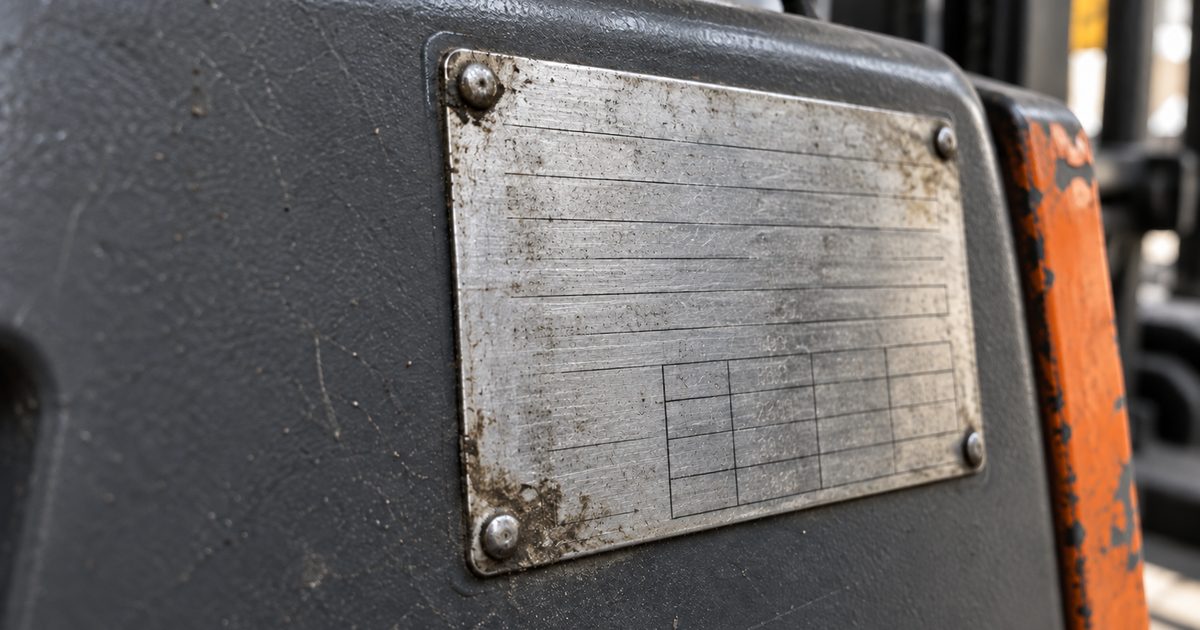
Fitment is set by the build and the market and it changes, so treat the table as typical and confirm it on the machine. The engine carries its own plate, usually on the block near the injection pump.
A Chinese engine is not a bad engine, and plenty run for years. It means the parts route is different, and you want to know which route you are on before you buy. Our guide to forklift engines explained covers each family.
Parts exist in volume. The lead time is the problem, not the supply. Wear parts are quick and cheap through the aftermarket, and it is the OEM-only items ordered direct from China that commonly run six to twelve weeks door to door.
So the question is not can I get parts for a Heli, it is who holds parts within a day of me. TVH runs a dedicated Heli parts programme, and specialist suppliers have carried Chinese forklift parts for decades, some holding stock in the United States and Europe. Heli's own brand centres include France, Thailand and Dubai, which is not the same as a dealer in your city.
| What you need | Where it comes from | Typical wait |
|---|---|---|
| Filters, belts, hoses, seals, forks, mast rollers | Aftermarket suppliers | Days, often off the shelf |
| Isuzu or Nissan engine parts | Local diesel or engine shop | Days |
| Chinese engine parts, Xinchai or Quanchai | Chinese parts specialists | Days if held locally, weeks if not |
| Heli specific OEM parts | Factory order through a dealer or exporter | Commonly six to twelve weeks |
| Mast or transmission assemblies | Factory order | Longest of all, so plan around it |
Those are the lead times we plan around as at August 2026 and they move with freight, so get the wait confirmed in writing. A Heli parts bill sits well under a European truck's. What bites is the week the machine stands still, so buy filters, belts and hoses with the machine.
Less than a Japanese truck of the same age and hours, in almost every market. That is the honest trade you are making, and it is part of why the machine is cheaper going in. Sell on at three years and that gap eats most of what you saved.
Outside China the pool of second hand buyers is smaller, and the buyers in it price against what a new one costs today, which keeps falling. A well kept Toyota holds its price partly because everybody already knows what one is worth. Nobody has that reference point for a Heli.
So buy one to run out. Work it for its whole life and the resale number stops mattering. Short holds, finance built on a residual value and hire fleets on a fixed replacement cycle are where the sums break. Hours still set the price, as how many hours is too many explains.
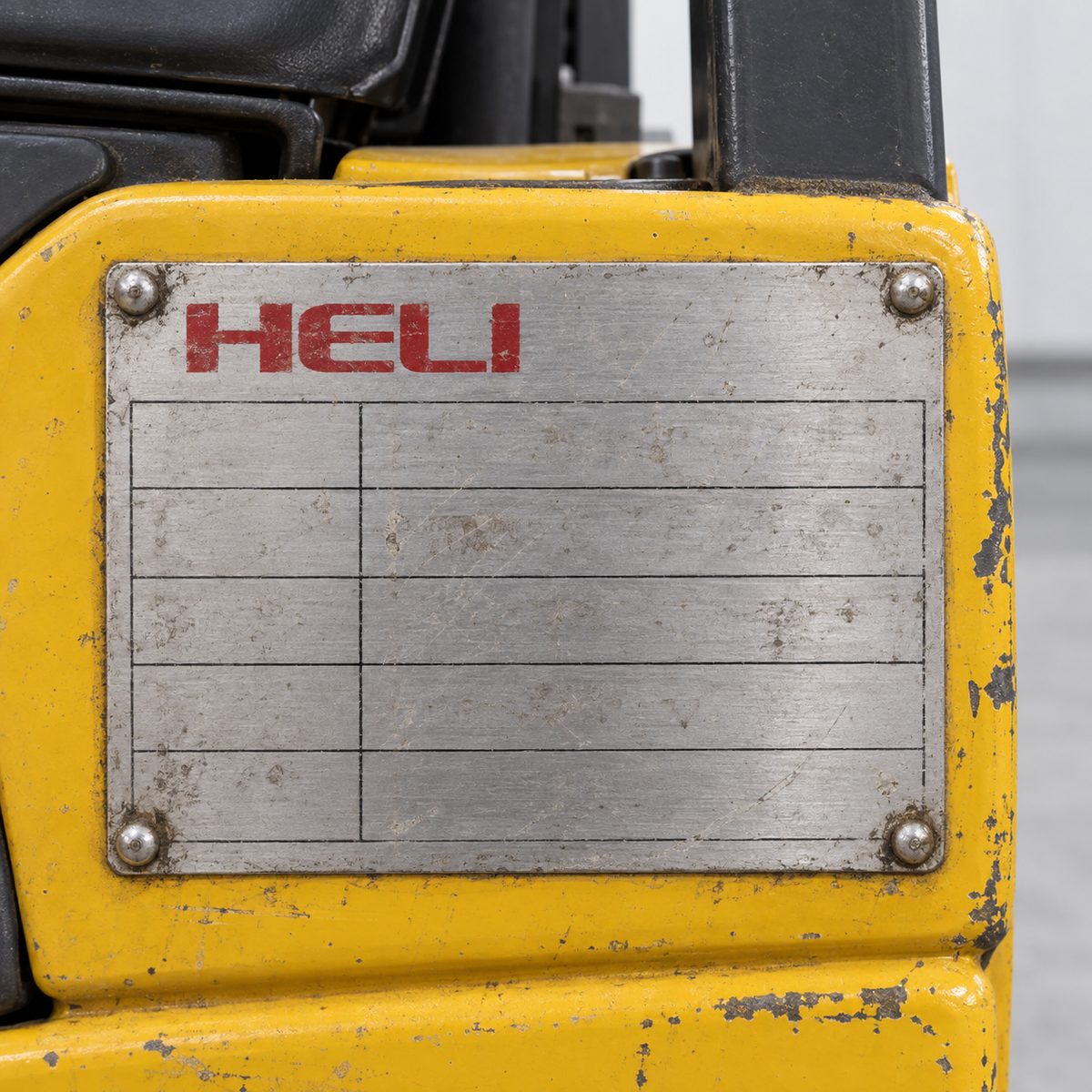
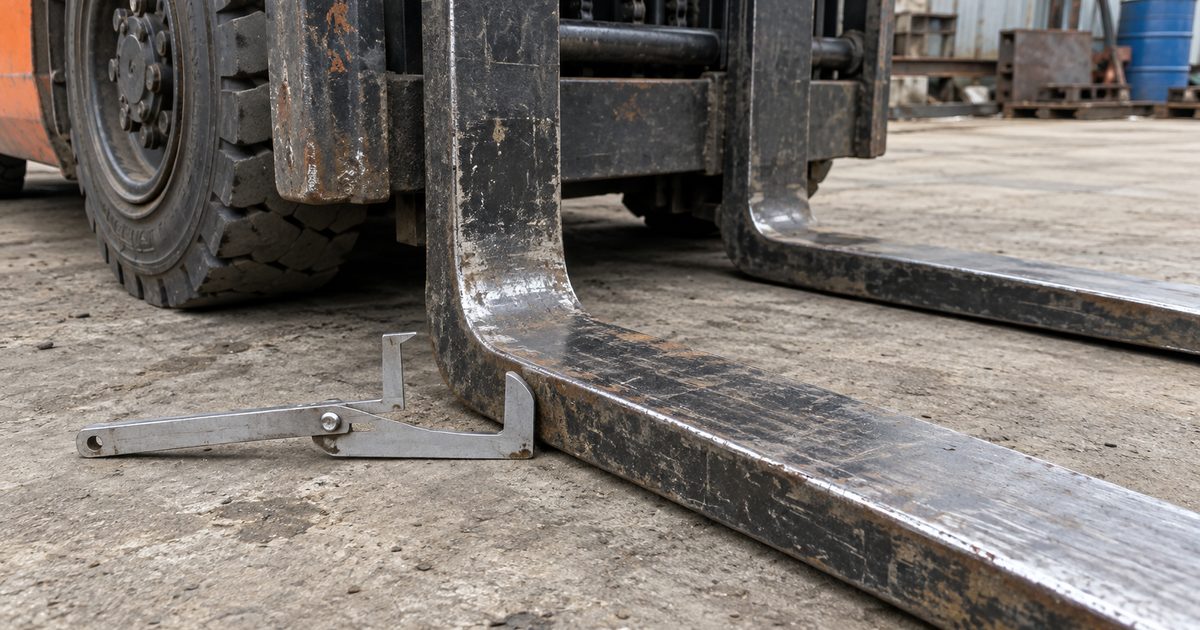
Check the plates first, then the wear items, then the story. You are buying a machine you cannot stand next to, so the plates and a video have to do the work your eyes would.
The serial also settles the year, which sellers get wrong more often than they lie about. Our forklift serial number year lookup shows what to ask for, the used forklift buying checklist is the full list, and if the seller is new to you read buying a forklift overseas safely first.
We do not sit on a yard of machines. You tell us the capacity, the mast height, the fuel and the country it goes to, we go and find the machine, we check it and photograph it, and we quote you a landed price to your port.
In Heli we source 1.5 to 3.5 tonne diesel counterbalance as CPCD, 2 to 3.5 tonne petrol and LPG as CPQYD, 1.5 to 3.5 tonne electric and lithium as CPD, and 5 to 10 tonne heavy diesel for yard and port work. Heavier is possible, because the range runs past 10 tonnes, and it takes longer to find. The figures below are at a 500 mm load centre.
| Model | Rated capacity | Standard lift | Typical service weight | Typical turning radius |
|---|---|---|---|---|
| CPCD25 | 2,500 kg | 3,000 mm | about 3,700 kg | about 2,240 mm |
| CPCD30 | 3,000 kg | 3,000 mm | about 4,280 kg | about 2,400 mm |
| CPCD35 | 3,500 kg | 3,000 mm | about 4,900 kg | about 2,420 mm |
| CPCD50 | 5,000 kg | 3,000 mm | about 6,650 kg | about 2,800 mm |
They are published figures for common builds and they move with mast, tyres and series, so treat each as typical and confirm it on the data plate of the machine you are offered. Tell us early if the truck has to work inside a container, because that decides the mast, and our container spec forklift guide covers those numbers.
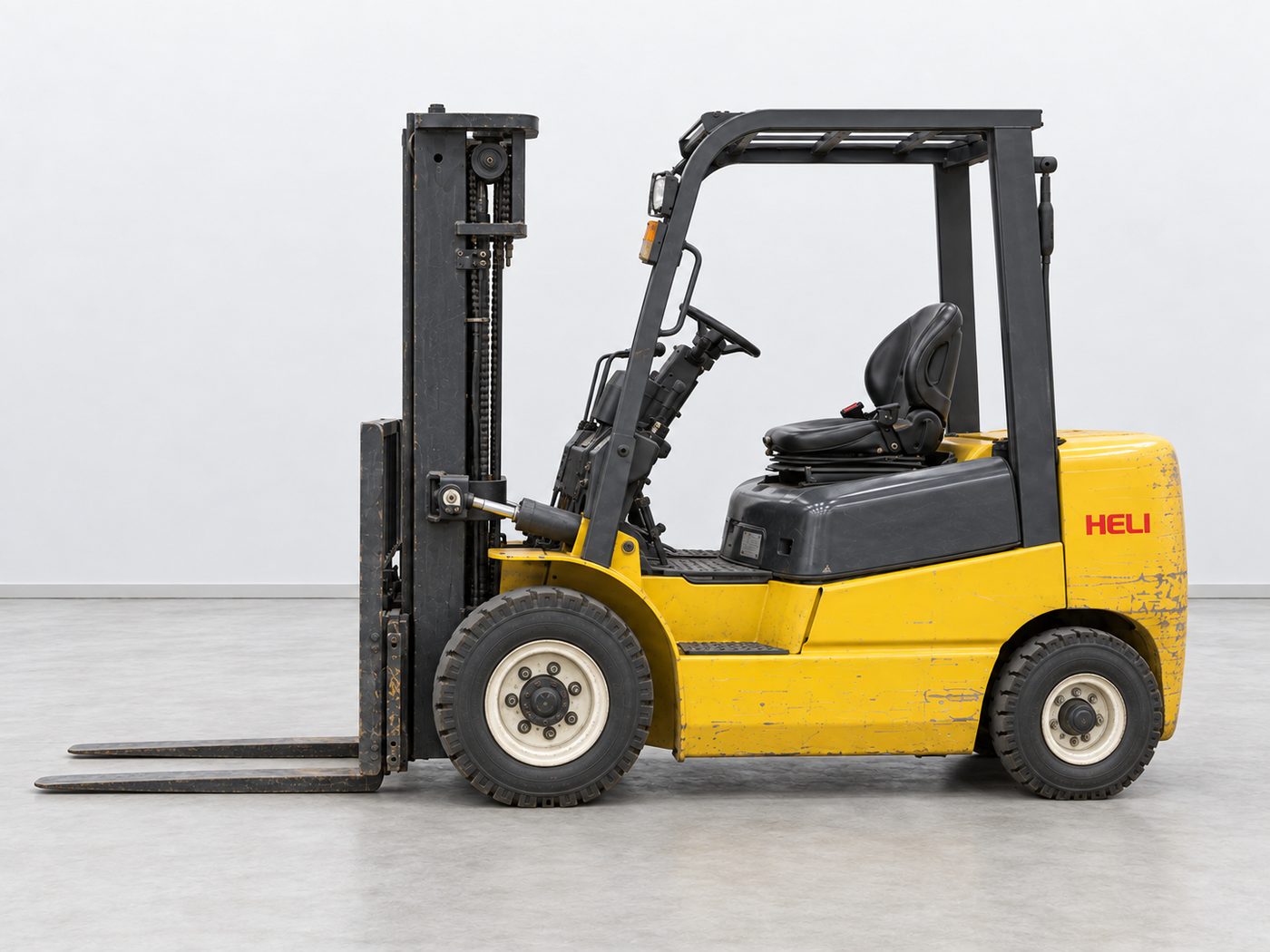
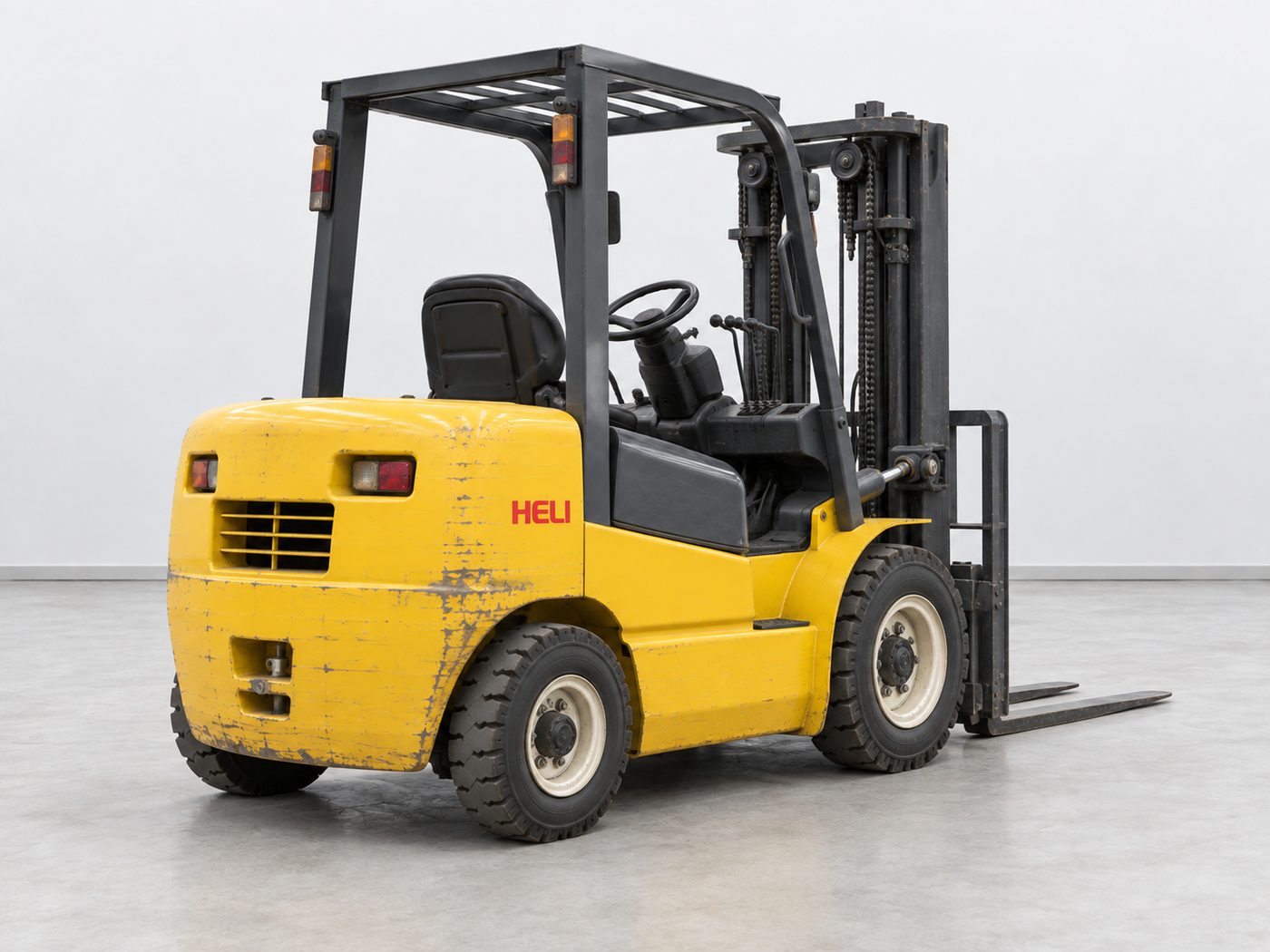
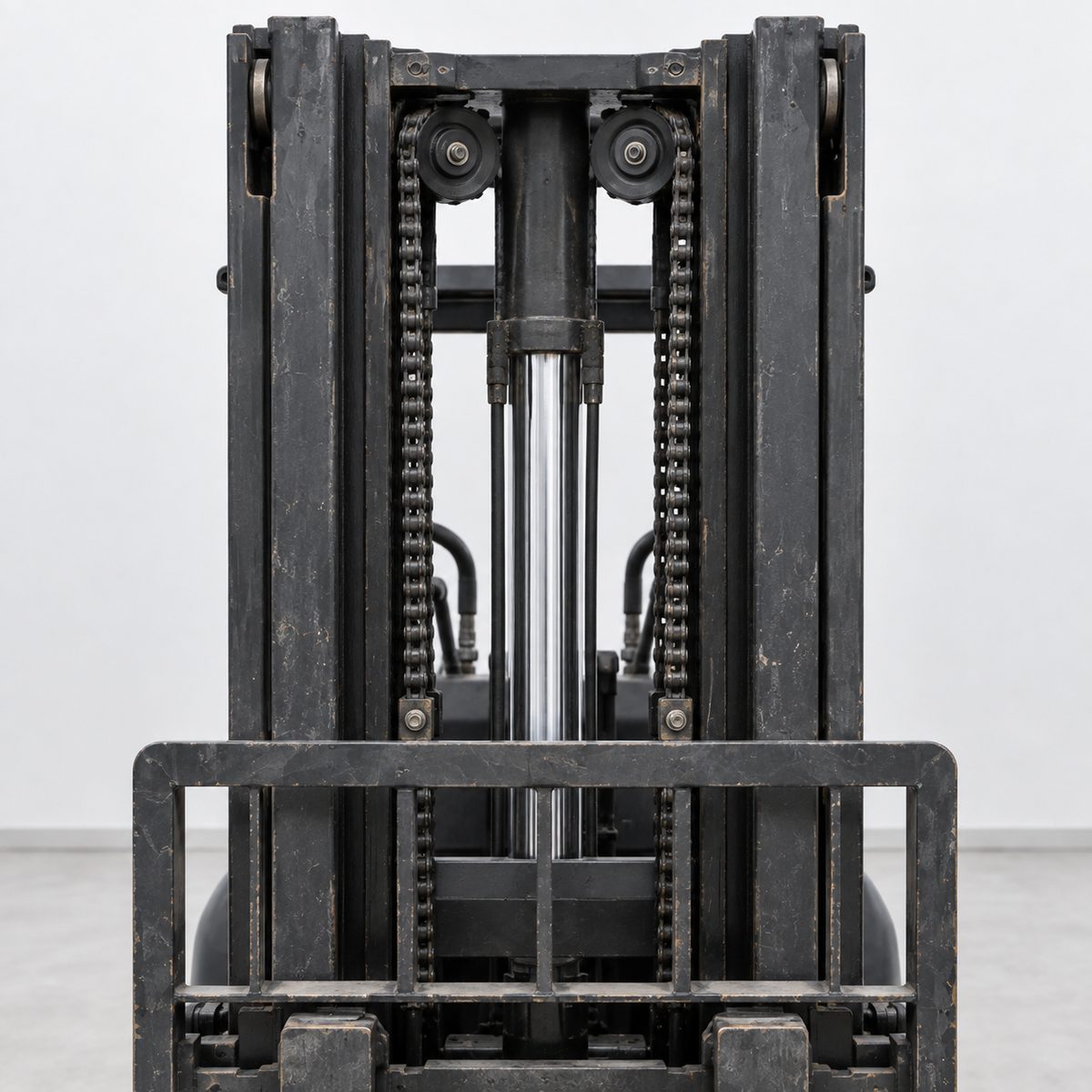
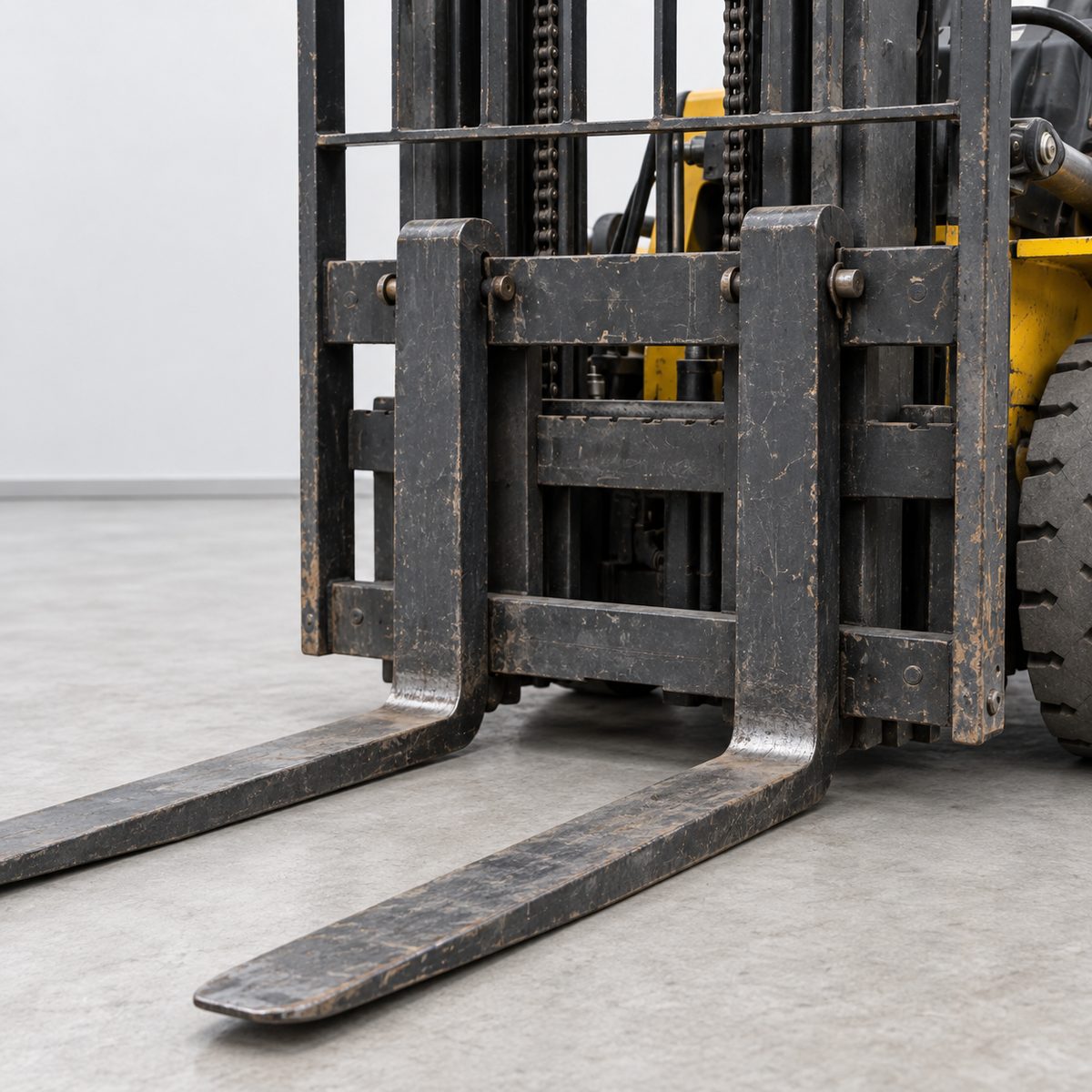
You will notice there is no photograph of a machine on this page, and that is deliberate. We will not put another brand's picture on a Heli page, and we do not dress a stock image up as ours. When we find your Heli we photograph that exact machine, the mast, forks, tyres, hour meter and data plate, and you see those pictures before you pay anything.
Machines travel by container or by roll on roll off depending on size and route. Send us the spec and the destination and we will come back with what we can find. Start at forklifts for sale, or put the details into the form below.
Tell us which of these fits your work, or just tell us your loads and your site and we will point you at the right one.
Whatever brand you buy, this is the list we work through on the machine we source for you, and we photograph every one of them.
For most work, yes. Heli is the seventh largest lift truck maker in the world and builds a plain, heavy truck that is easy to keep running. The weak points are finish quality varying more than on a Japanese machine, thinner dealer support outside China, and weaker resale. It suits a buyer who will run the machine for its whole life.
The letters are pinyin initials. C is forklift, P is counterweight so a counterbalance truck, C is diesel, and the final D is hydraulic transmission, meaning a torque converter. The 25 is capacity in hundreds of kilos, so 2,500 kg at a 500 mm load centre. CPD is battery electric and CPQYD is petrol and LPG.
It depends on the build. Published Heli data sheets show an Isuzu C240 on many 2 to 3 tonne diesels, an Isuzu 4JG2 on 3 to 3.5 tonne, Xinchai 490, 495 and 498 family or Quanchai units on Chinese engine builds, an Isuzu 6BG1 family unit on some 5 tonne trucks, and Nissan K21 or K25 on petrol and LPG. Ask for a photo of the engine plate to be sure.
Wear parts such as filters, belts, hoses, seals and forks usually come from aftermarket suppliers within days. Heli specific OEM parts ordered direct from China commonly take six to twelve weeks. Buy a starter set of service parts with the machine so the first service does not turn into a wait.
They are close. Heli sold more trucks in 2024 and has the wider diesel and heavy capacity range. Hangcha has pushed harder on lithium electric. For outdoor diesel work, decide on the engine fitted and on parts support near you rather than on the badge.
Tell us the capacity, the mast height, the fuel, whether it has to work inside a container, and the port it is going to. We go and find machines that match, send you photos of the actual unit and a landed price, and you decide from there.
Tell us the capacity, the fuel and your nearest port. We go and find the machine, send you real photos of it, and quote the landed price.

Hangcha now sells nearly as many forklifts a year as Toyota, and most of them run on a battery. Here is what that buys you, where it costs you, and how a new one compares to a used Japanese machine at the same money.
Read the brand guide →
China builds more forklifts than anywhere else, and nearly every page answering whether they are any good is published by a Chinese factory. This one is not. Here is where a Chinese machine is the right buy, and where it is the wrong one.
Read the brand guide →
EP builds the cheapest lithium electric forklifts on the market and the field reports on them are genuinely mixed. Here is where an EP holds up, where it does not, and who should buy one.
Read the brand guide →