Are EP forklifts reliable? On light and medium duty, usually yes. On hard, hot, multi shift work the field reports turn bad, and they turn bad early. EP builds the cheapest lithium electric forklift you can buy in volume, and the evidence on it is genuinely split.
EP Equipment is based in Hangzhou, founded in 2007, and grew up building electric pallet trucks and stackers before it moved into counterbalance forklifts. It started making its own lithium batteries in 2017. In Modern Materials Handling's 2025 ranking of the world's twenty largest lift truck suppliers, on 2024 revenue, EP sits at number 12.
We do not build these machines, we source them. So we sell EP trucks to the buyers the brand suits, and we talk the rest out of it.
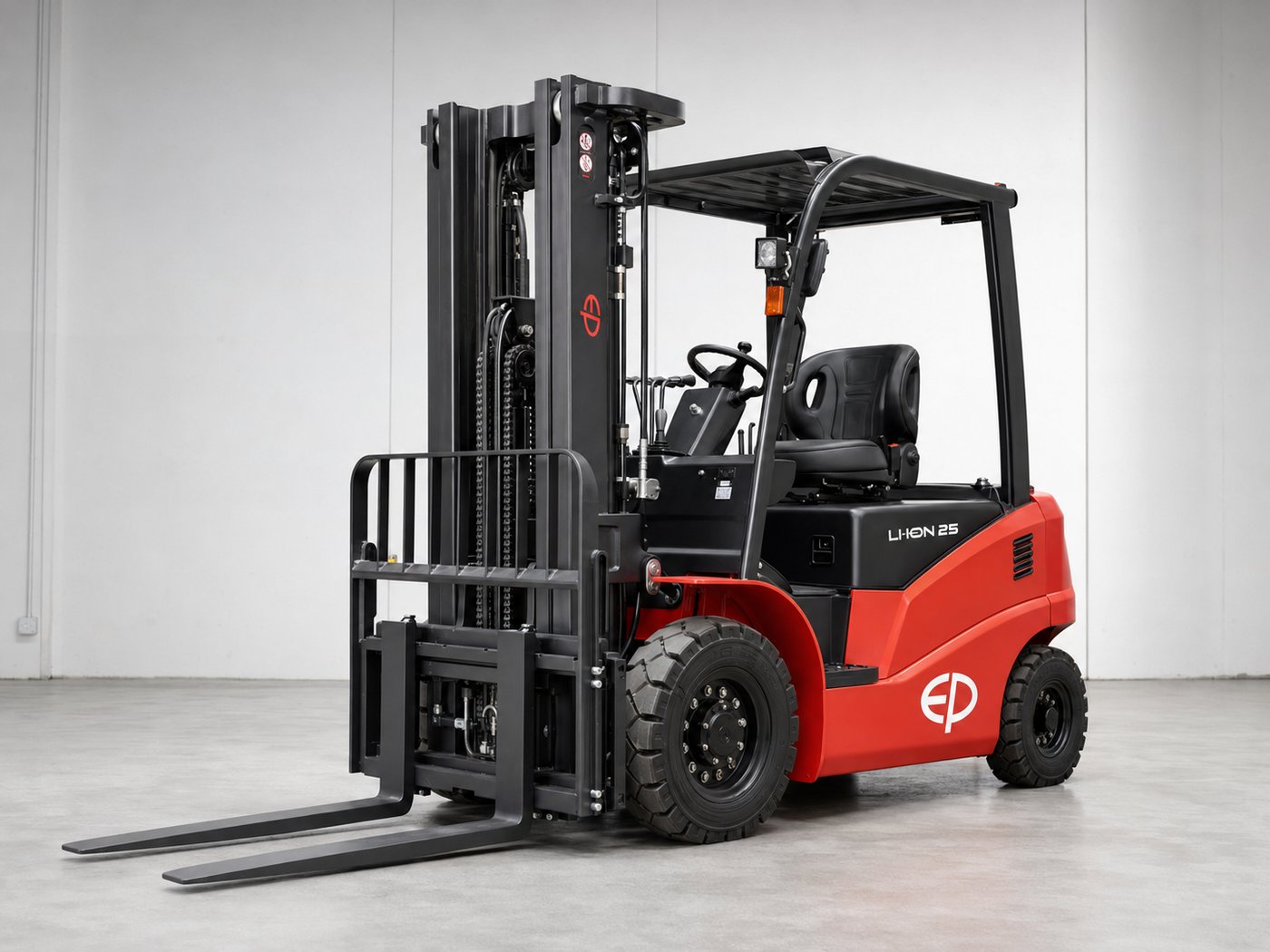
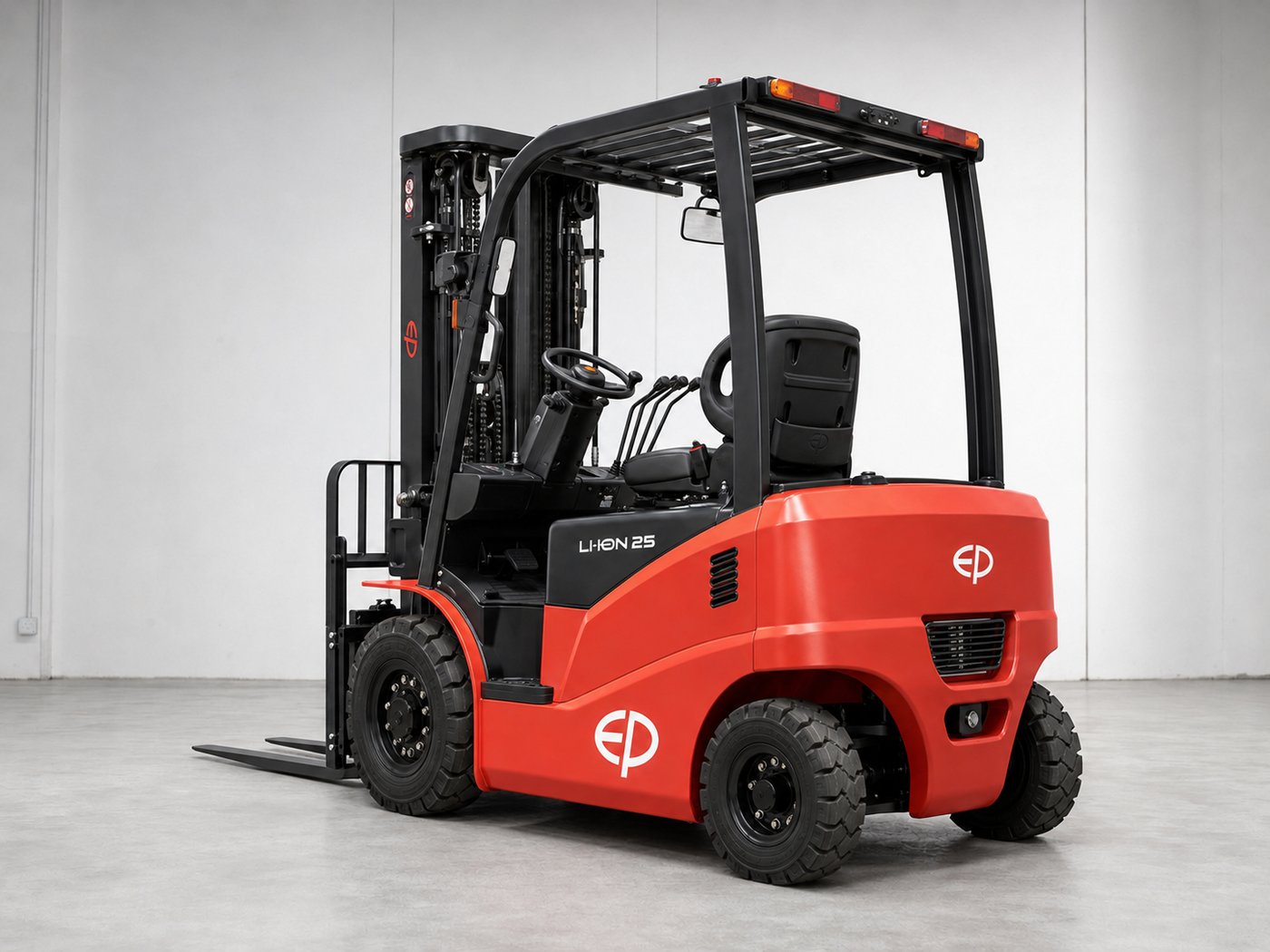
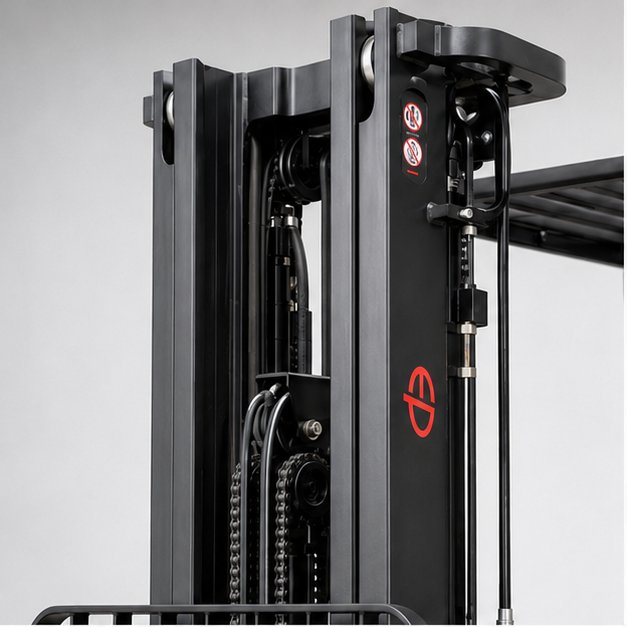
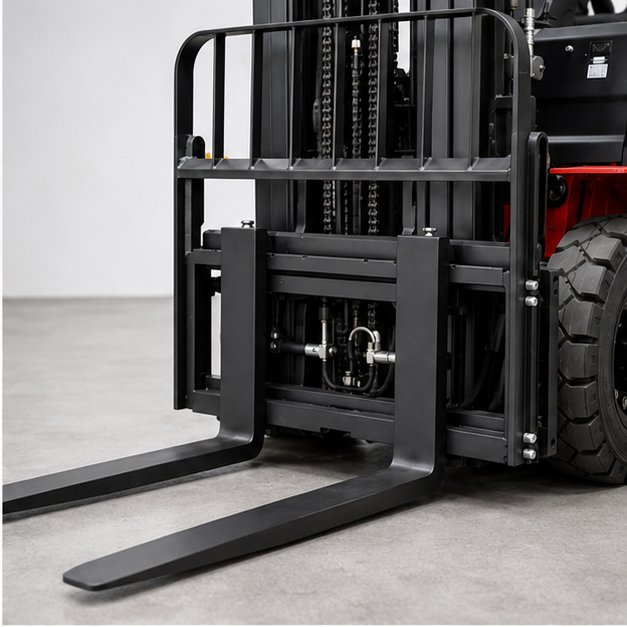
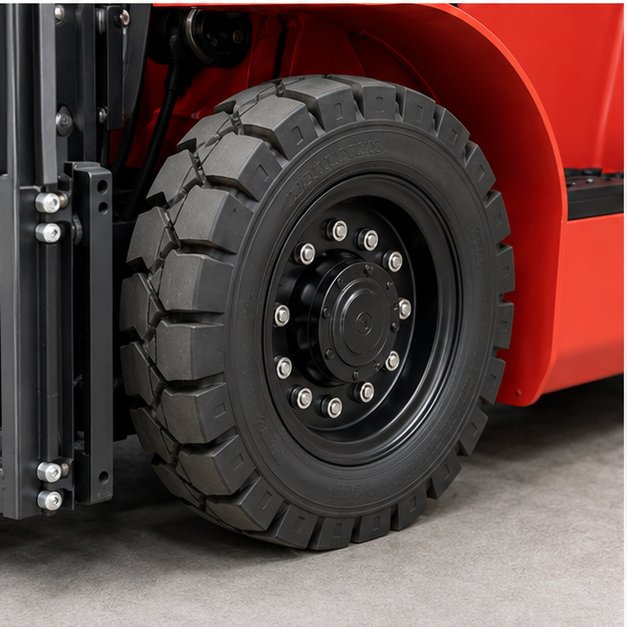
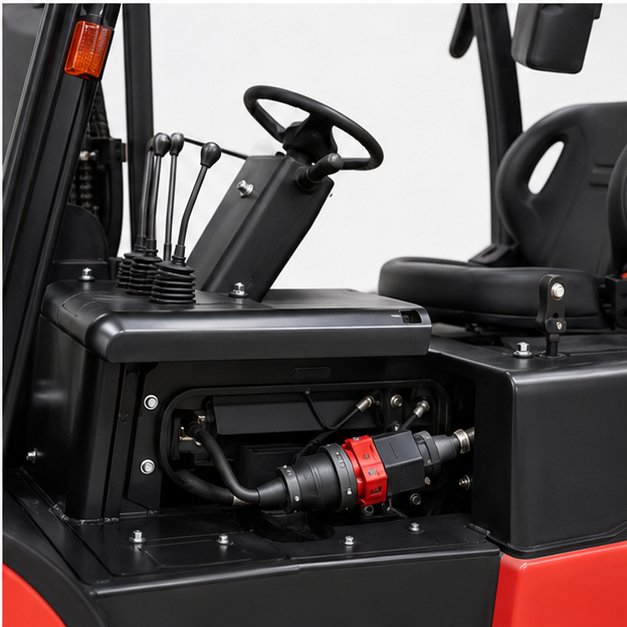
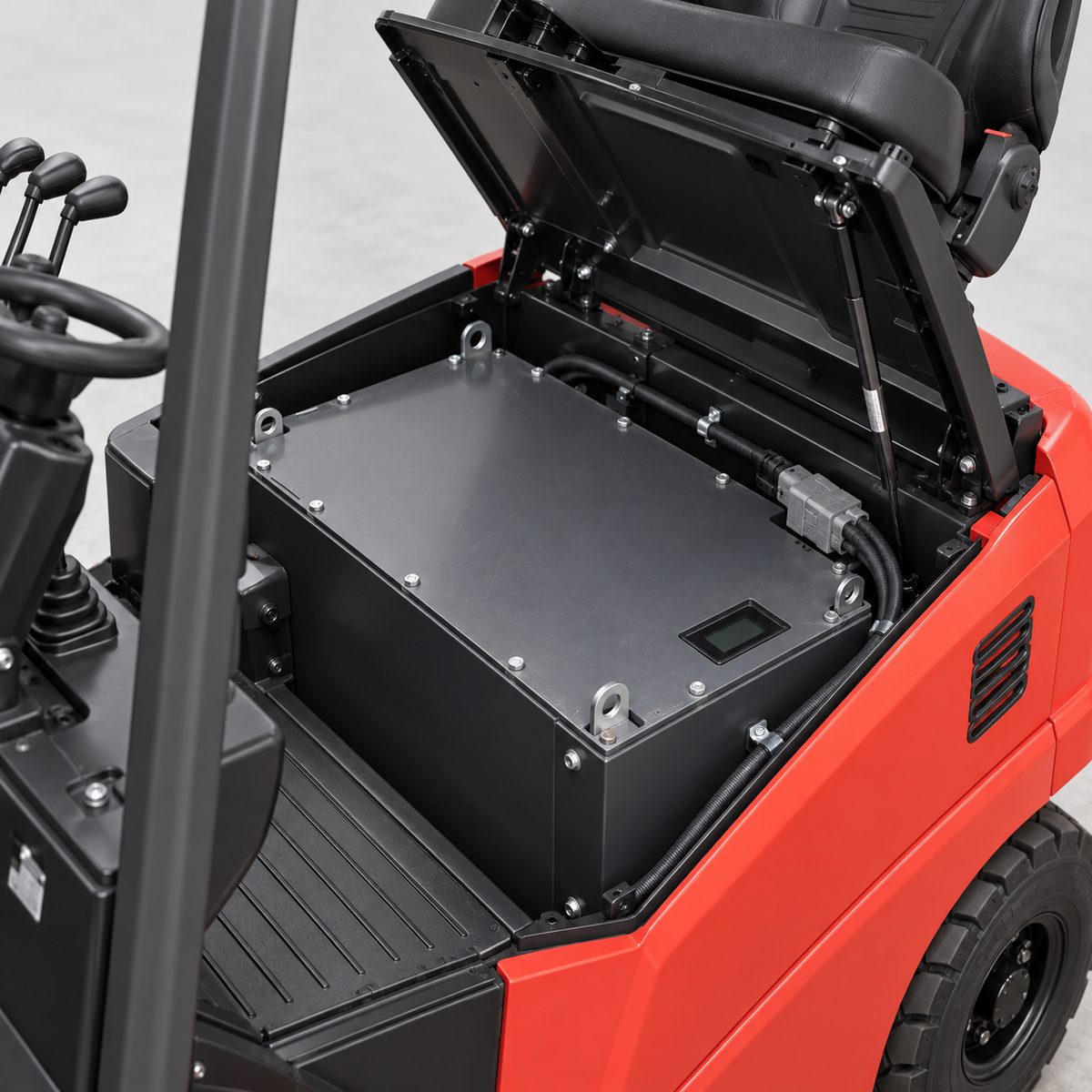
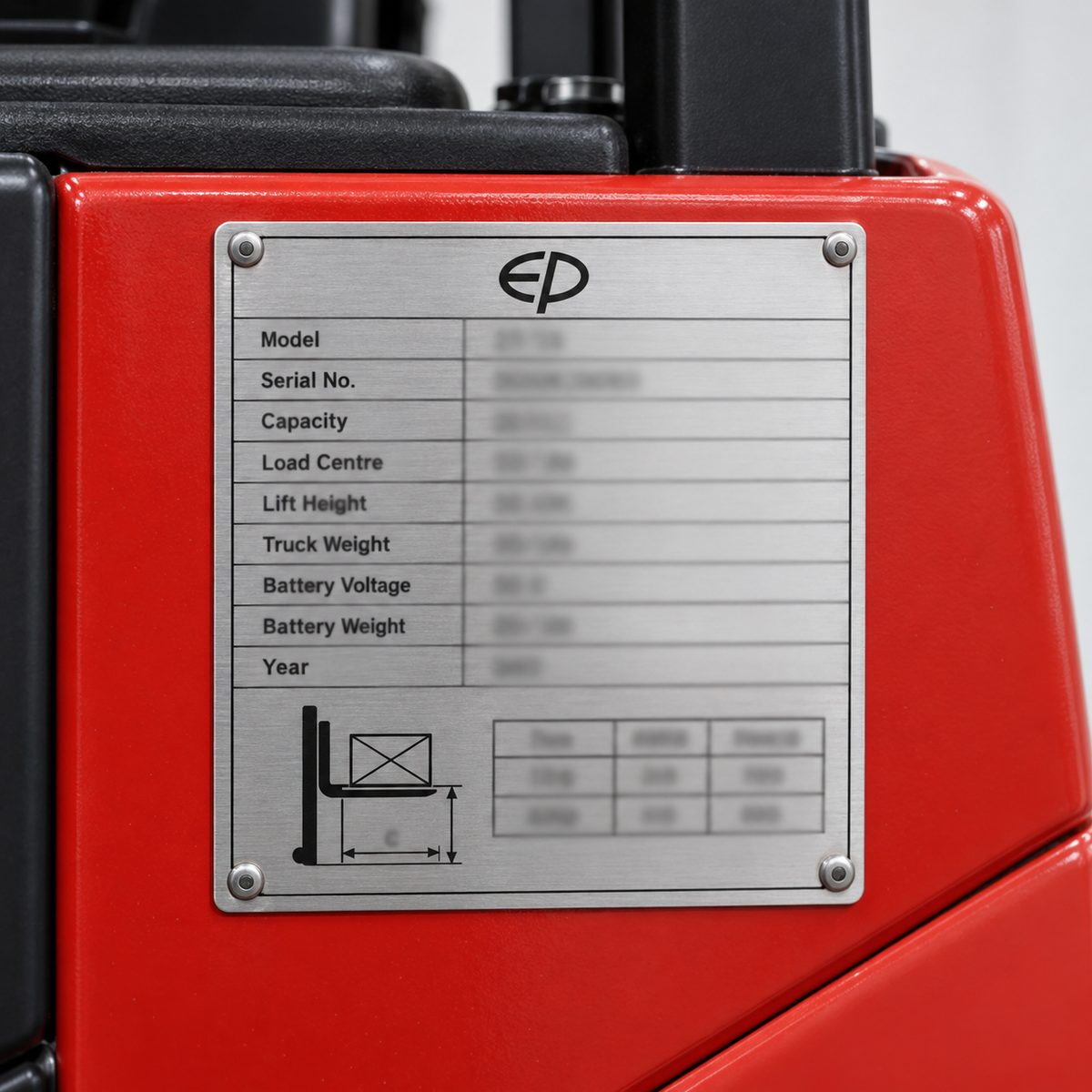
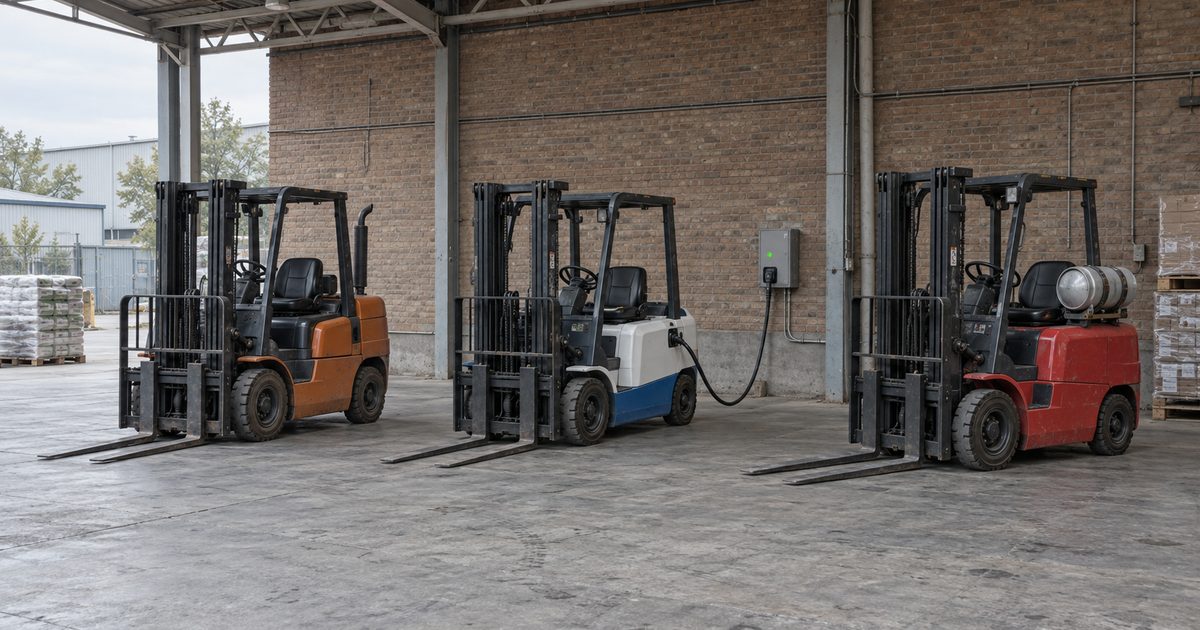
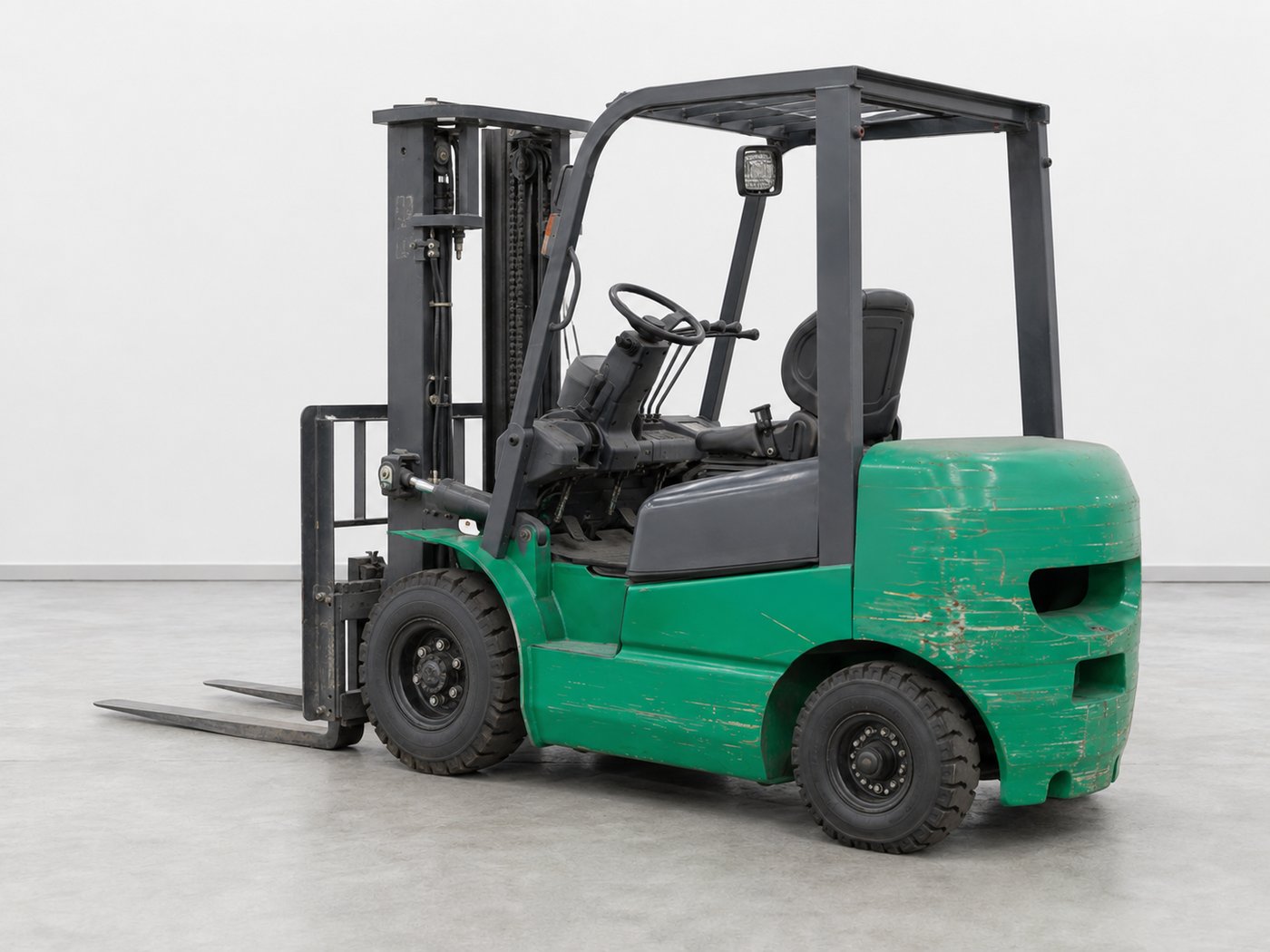
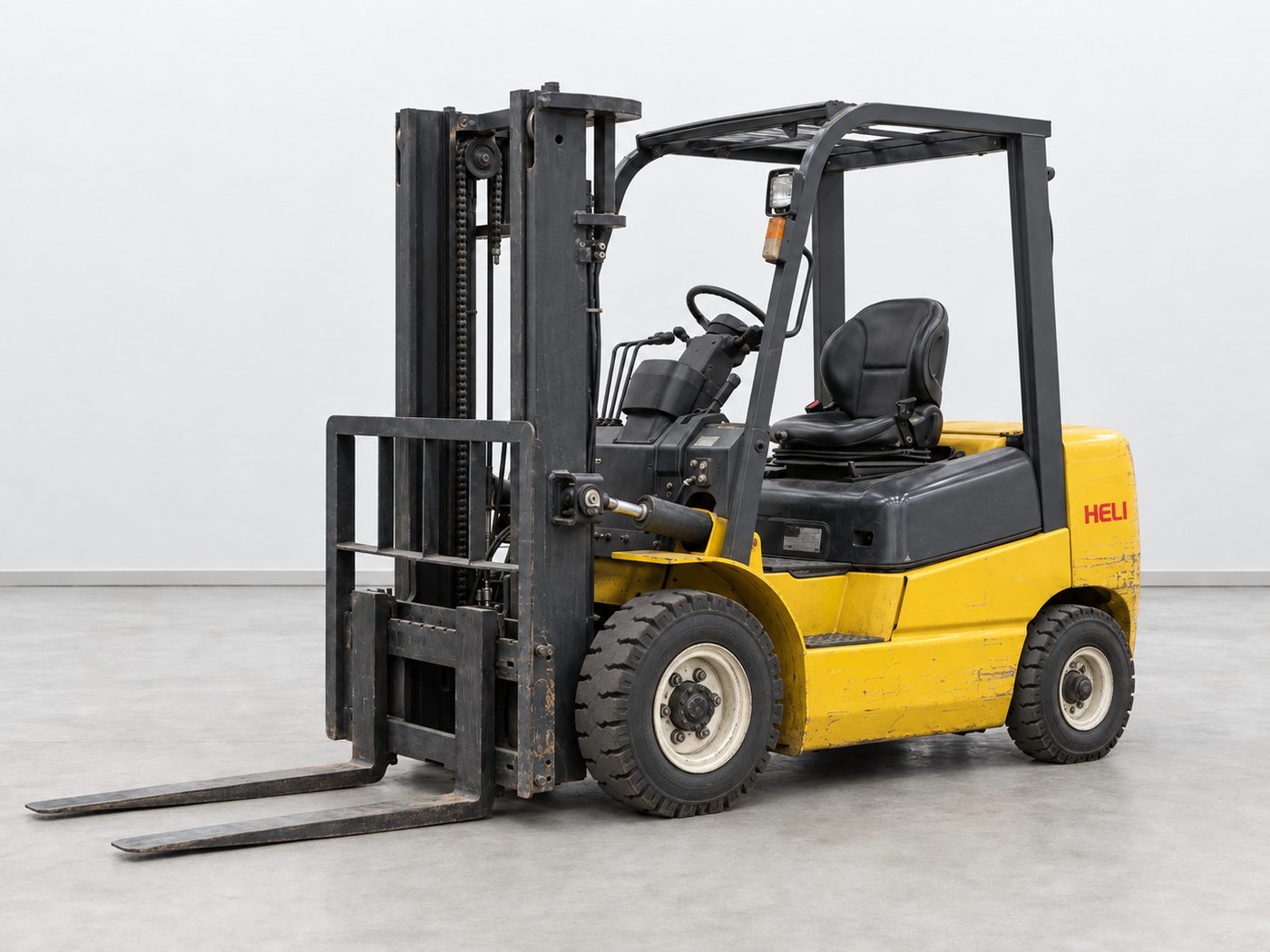
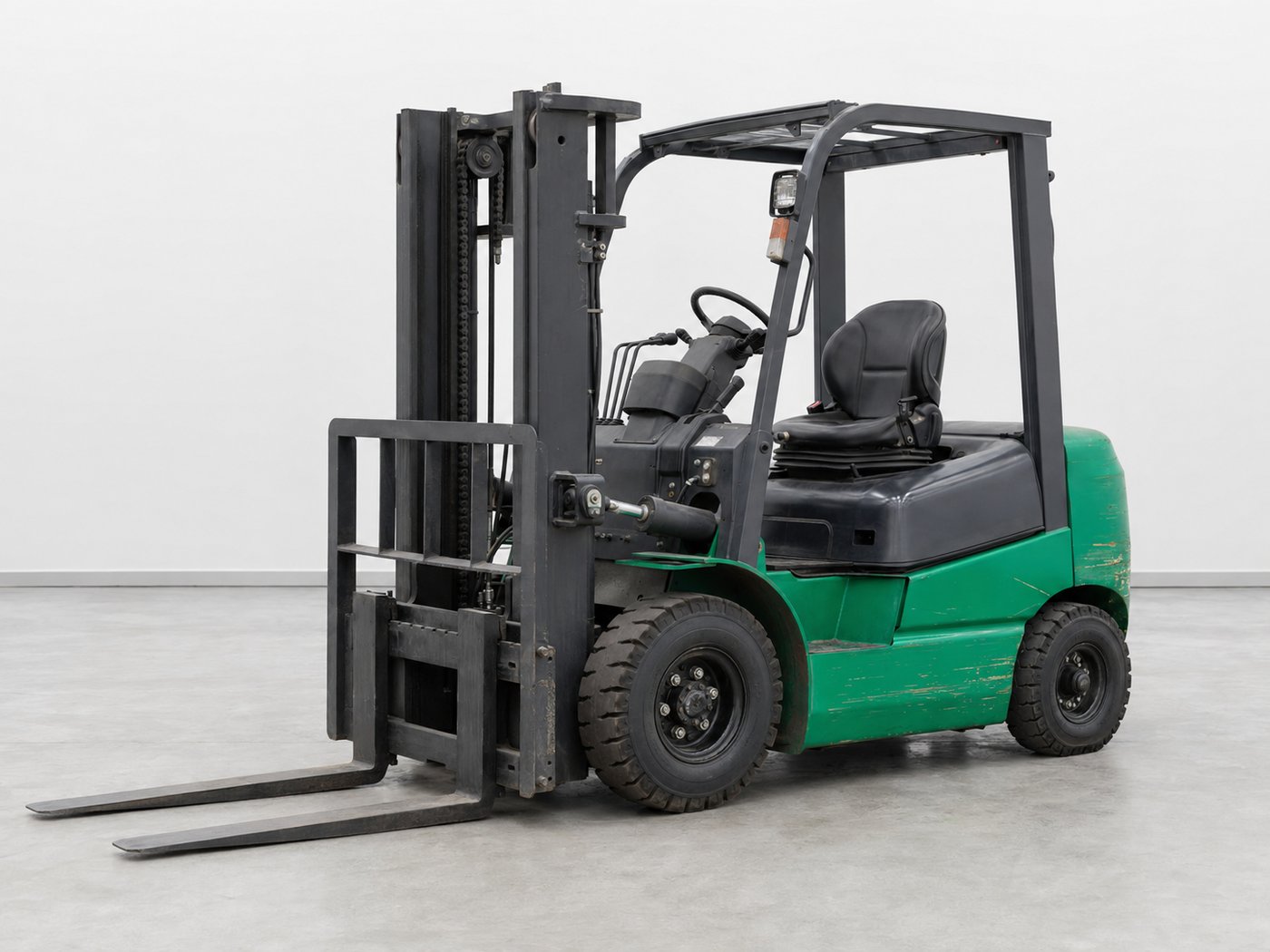
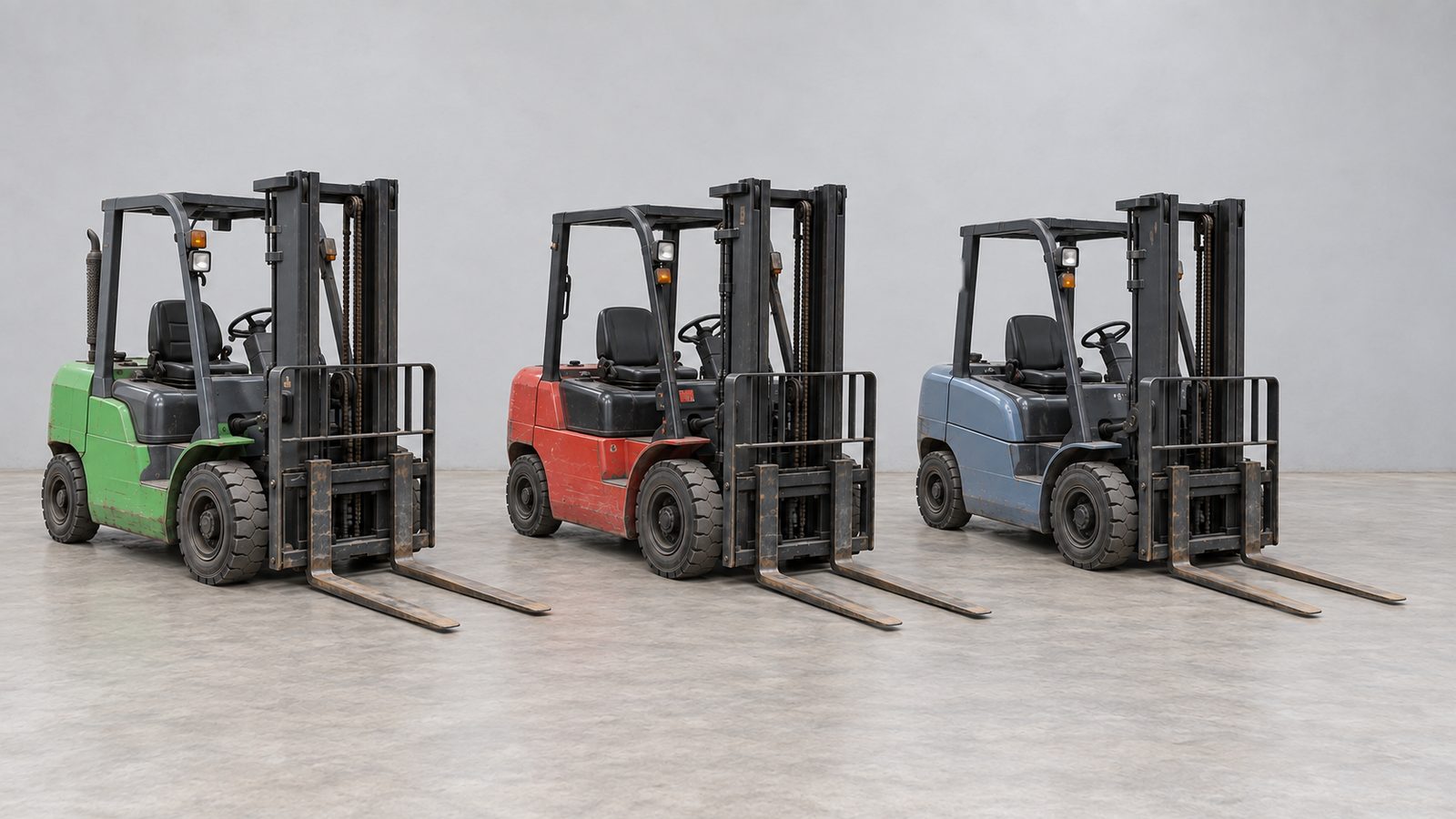
These show the type of machine we source in this brand. They are not photos of a unit we are holding. When we find your machine you get real photos of that exact one.


The picture splits along duty. Owners on light and medium work mostly report a machine that does the job for the money. Owners who put an EP on hard continuous work report failures inside the first year, and the failures they report are electrical.
The most detailed independent reports on EP sit in a Forkliftaction forum thread rather than in any published review. In August 2013 a dealer running twenty two Komatsu trucks said he bought EP machines as backups and had to retrofit the control systems on all of them within two months, when they all failed. A June 2013 poster listed fractured steering column brackets, a stripped LPG tank toggle, a crack in the frame under the hydraulic tank and broken hood hinges, on machines that were not working hard.
Now the other side. Those posts are dated 2013 and 2016, and describe EP's older engine powered and lead acid trucks. EP did not build its own lithium batteries until 2017, or launch the EFL302 aimed at replacing engine forklifts until 2020. The firm in that thread is not the firm selling the EFL range today. EP's own case study describes one of the first UK EFL181 units running five years without a breakdown, though that is EP talking about EP.
An EP suits one or two shifts on concrete or a well made yard, moving pallets and boxes, with real capacity margin over what you lift. It is the wrong machine for rutted ground, scrap, timber, foundry heat, three shift running, or a site where the nearest person who has opened a lithium truck is a flight away.
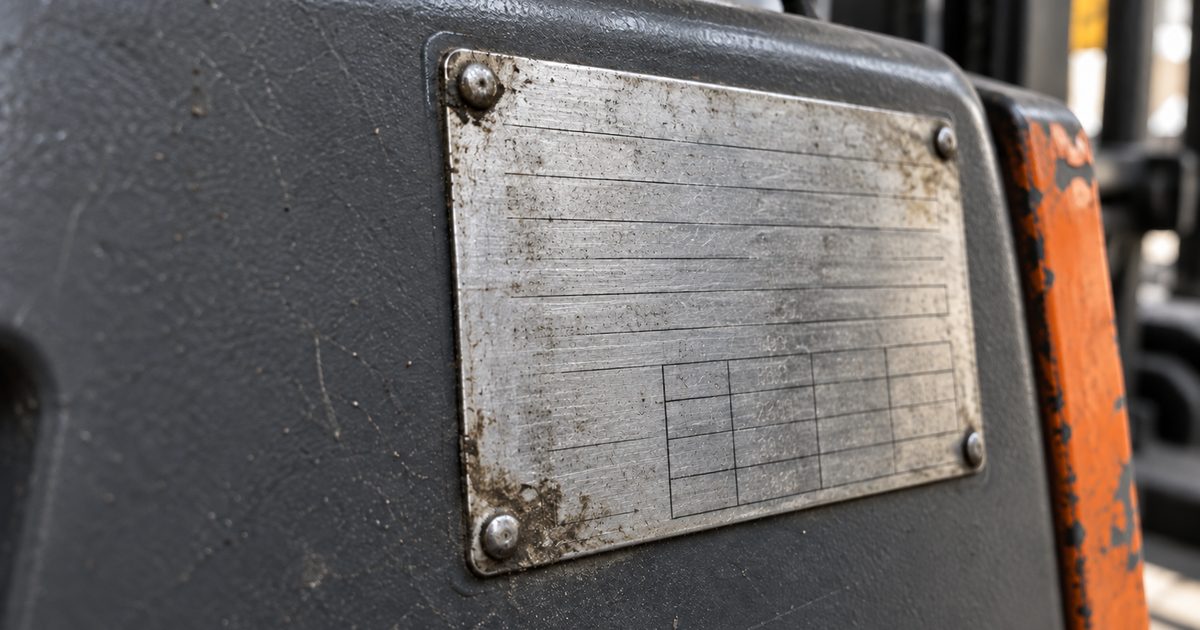
EP's own spec agrees. It quotes the 2.5 tonne EFL252 with solid rubber tyres, an IPX4 rated chassis and fifteen percent gradeability, which is a truck built to work outdoors in the rain on decent ground, not to cross a building site. Builds vary, so confirm those figures on the data plate.
The other rule out of the field reports is margin. The buyers who ran EP trucks near their rated limit all day wrote the complaints, so if you lift two tonnes regularly, look at a 2.5 tonne truck. Our guide to diesel, electric or LPG covers the fuel choice, and the container spec guide covers mast height for container work.
EP builds its own lithium iron phosphate packs. That removes watering, gassing, a change room and the second battery you need for multi shift work on lead acid. What it adds is one expensive part you cannot buy from a battery shop down the road.
The 1.8 tonne EFL181 runs a 48 volt 150 amp hour pack and the 2.5 tonne EFL252 runs 80 volts at 205 amp hours. Lithium takes short charges through a break rather than a full cycle plus a cooling period, so one pack can cover work that would need two lead acid batteries.
The catch is the supply chain, not the chemistry. A lead acid battery is a commodity and somebody in almost every country can supply one. An EP pack talks to the truck through a battery management system, so a failed cell group or BMS means ordering through EP's channel. On a used machine that pack is a large share of what you pay for.
| What you deal with | EP lithium, LFP | Lead acid |
|---|---|---|
| Charging | Short top ups during breaks | Full cycle, then a cooling period |
| Multi shift | Usually one pack | Second battery plus a change area |
| Routine upkeep | Sealed, no watering or equalising | Watering, cleaning, equalise charges |
| Charging room | No hydrogen gassing in normal use | Ventilated charging area needed |
| Replacement source | EP channel, matched to the truck BMS | Many makers, most countries |
| Sea freight entry | Class 9, UN3556 | General UN3171 battery powered vehicle |
That last row catches exporters out. As at August 2026, IMDG Code Amendment 42-24 is mandatory and a lithium powered vehicle is declared under UN3556 as Class 9, where these machines used to travel under the general UN3171 entry. Confirm the current position with your forwarder, and see how a forklift ships in a container.
Heli and Hangcha are much larger and build the full engine powered range. EP is a smaller specialist that came up through electric warehouse equipment. If you want a diesel, that is a Heli or Hangcha question. If you want lithium electric, EP has been building its own packs since 2017.
| Maker | Rank in the 2025 top 20 | Units sold in 2024 | What they build |
|---|---|---|---|
| Anhui Heli | 7 | 340,218 | Full diesel, LPG and electric range |
| Hangcha | 8 | 280,012 | Full diesel, LPG, electric and lithium range |
| EP | 12 | Not published in that report | Mainly lithium electric, plus a smaller engine powered range |
Ranks are from Modern Materials Handling's 2025 top twenty, on 2024 revenue. Size is not quality, but it tells you how many machines are out there and how many parts sit on a shelf near you. EP is the smallest of the three. Read the Heli guide and the Hangcha guide beside this one, and the parent page on Chinese forklift brands.
EP publishes no formal decoder, so treat the model code as a strong hint and the data plate as the truth. The pattern across the current lithium range is a family code, the capacity in hundreds of kilograms, then a generation digit.
It holds across the range. EFL181 is 1.8 tonnes, EFL201 is 2.0, EFL252 is 2.5, EFL302 is 3.0 and EFL352 is 3.5, and the high voltage series runs 4.0 to 5.5 tonnes under codes like EFL503-HV. EP's engine powered trucks use the Chinese national code instead, so a MAX-3 diesel runs CPCD20T3 to CPCD40T3 and CPQD is the petrol and LPG version. Our forklift model number decoder covers that system across every brand.
| Family | Example code | Typical capacity | Power |
|---|---|---|---|
| EFL counterbalance | EFL252 | 1.8 to 3.5 tonnes | 48 V or 80 V LFP lithium |
| EFL high voltage | EFL503-HV | 4.0 to 5.5 tonnes | High voltage LFP lithium |
| MAX-3 engine powered | CPCD20T3 | 2.0 to 4.0 tonnes | Diesel, Xinchai or Yanmar |
| MAX-8 engine powered | CPCD18T8 | 1.5 to 3.5 tonnes | Diesel, or petrol and LPG as CPQD |
| Electric pallet trucks | EPT20-EZ | 1.2 to 2.0 tonnes | Lithium |
Capacities are typical. The rating on a given truck depends on its mast, tyres and attachments, so confirm it on the data plate.
Wear parts are the easy half. TVH, the largest independent parts distributor in the trade, lists EP as a brand it supplies, and seals, chains, forks, tyres and hydraulic parts are either EP items or generics. The hard half is the pack, the battery management system and the controllers.
One dealer in that same thread reckoned EP parts cost around an eighth of the brand he compared them against, which matches what we see on wear items. It is no help the day a controller fails.
Warranty is where buyers get caught. One UK dealer states three years or 2,000 hours on the truck, five years on the battery and a three year telematics subscription. Others in Europe advertise a seven, five and three year package. Those are dealer programmes inside their own market and they do not travel with an exported machine. So settle one question before you pay: who, within a day of your yard, will honour a claim and has opened an EP controller? If the answer is nobody, price that risk in. Our guide to buying a forklift from overseas safely covers getting that in writing, and forklift engines explained covers parts on the diesel models.
On a used lithium EP the battery state of health and the stored fault log matter more than the hour meter. Ask for both as screen photos before you discuss anything else.
Then judge the hours the normal way. Our guide to how many hours is too many and the used forklift buying checklist apply to an EP like anything else.
Tell us the capacity, the lift height, the fuel, the tyre type and your port, and we go and find the machine. You get real photos of the actual truck we propose, its hours, its serial and its battery report, plus a landed price to your port before you commit.
In EP we source lithium counterbalance trucks from 1.8 to 3.5 tonnes, the high voltage range to 5.5 tonnes, MAX diesel and LPG trucks from 1.5 to 4 tonnes, and pallet trucks and stackers from 1.2 to 2 tonnes.
If your work is heavier or dirtier than an EP suits, we will say so and quote a used Toyota instead. See the full range on the forklifts for sale page.
Tell us which of these fits your work, or just tell us your loads and your site and we will point you at the right one.
Whatever brand you buy, this is the list we work through on the machine we source for you, and we photograph every one of them.
On light and medium duty most owners report no serious trouble. On hard, continuous or three shift work the reports get poor, and the failures described are electrical. The negative field reports that are easy to find are dated 2013 and 2016 and describe EP's older engine powered and lead acid trucks, before the company started building its own lithium packs in 2017. No independent study of the current lithium range has been published, so buy on duty and on price, not on a reliability promise.
They are related. EP bought Big Joe in 2009, and Big Lift, EP's North American subsidiary, distributes both the Big Joe and the EP brands. EP also bought ePicker in 2024 and rebranded it as EP. The product lines are different, so a Big Joe is not simply a rebadged EP.
Yes. The MAX-3 range runs from CPCD20T3 to CPCD40T3, so 2.0 to 4.0 tonnes, with Xinchai or Yanmar engines. The MAX-8 range covers 1.5 to 3.5 tonnes as CPCD diesel or CPQD petrol and LPG. EP is best known for electric, but the engine powered trucks exist and we can source them.
Wear parts, usually yes. TVH lists EP as a brand it supplies, and mechanical items are either EP parts or generics. The battery pack, the battery management system and the controllers come through EP's own dealer channel, so ask us to check what support exists in your country before you buy, not after.
EFL is the lithium ion counterbalance family, 25 is the capacity in hundreds of kilograms so 2,500 kg at a 500 mm load centre, and the final 2 is the generation. EP does not publish an official decoder, so confirm the rated capacity on the data plate of the actual machine.
It depends on the work. For clean indoor pallet handling on one or two shifts, a new EP with a warranty and a sealed battery is a sensible buy. For heavy, dusty or continuous outdoor work, or anywhere with no EP support nearby, a well kept used Toyota diesel is usually the safer money. Tell us the job and we will give you a straight answer either way.
Tell us the capacity, the fuel and your nearest port. We go and find the machine, send you real photos of it, and quote the landed price.
Heli is the seventh largest lift truck maker in the world and the largest in China. Here is what the model code tells you, which engine is likely under the bonnet, and what owning one really involves.
Read the brand guide →
Hangcha now sells nearly as many forklifts a year as Toyota, and most of them run on a battery. Here is what that buys you, where it costs you, and how a new one compares to a used Japanese machine at the same money.
Read the brand guide →
China builds more forklifts than anywhere else, and nearly every page answering whether they are any good is published by a Chinese factory. This one is not. Here is where a Chinese machine is the right buy, and where it is the wrong one.
Read the brand guide →