Hangcha forklift review: what you get and what you give up
Almost every Hangcha forklift review online was written by somebody who sells them new. We are not one of them. We source forklifts of every badge and ship them worldwide, so we gain nothing by talking this brand up or down.
Hangcha sold 280,012 trucks in 2024. Toyota Industries, the biggest maker in the world, sold 288,262 lift trucks in the same year. The gap is now small, and most of what Hangcha builds runs on a battery. That last point matters most, because this brand's strength is batteries rather than engines.
What a Hangcha forklift looks like
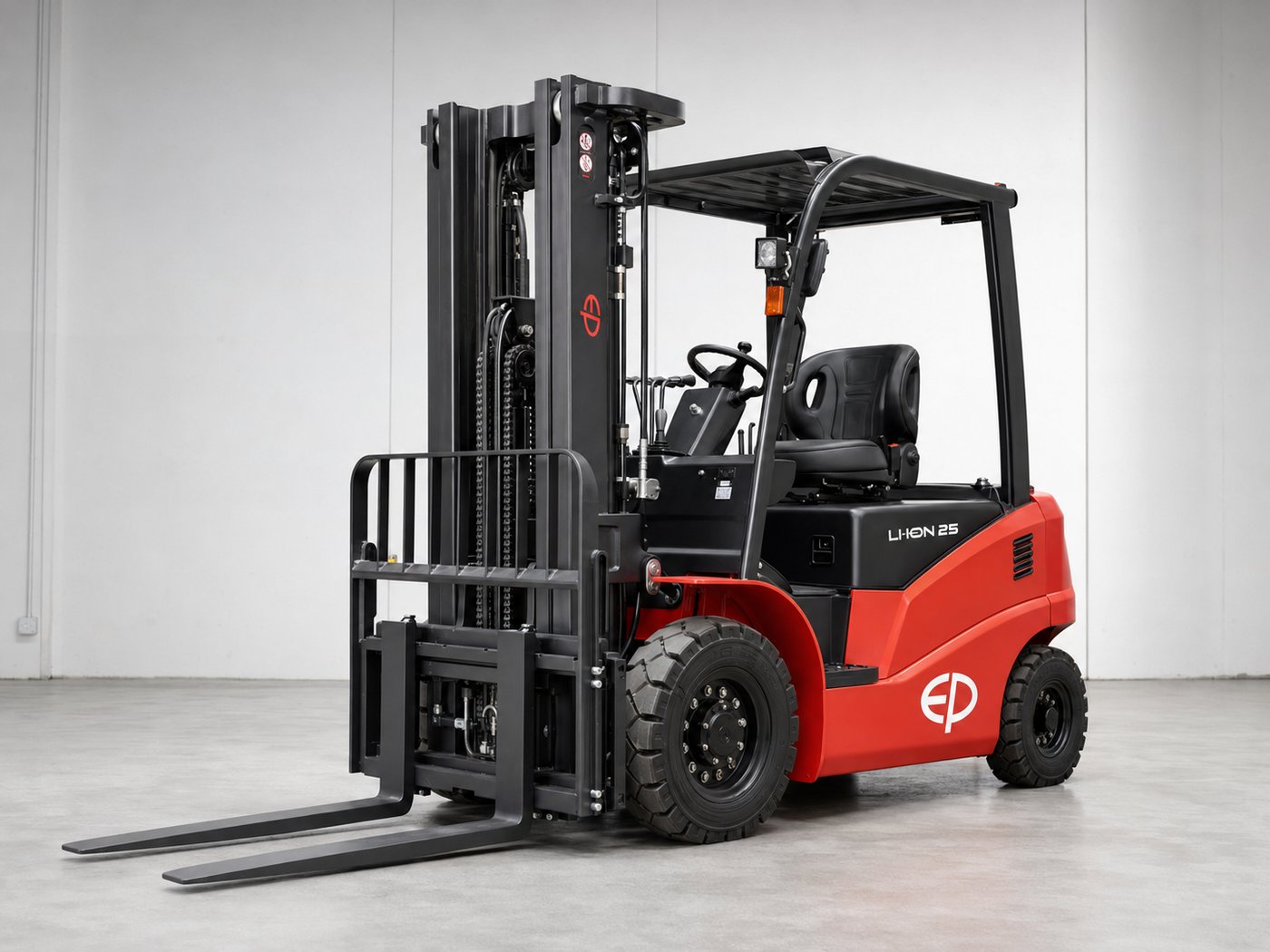
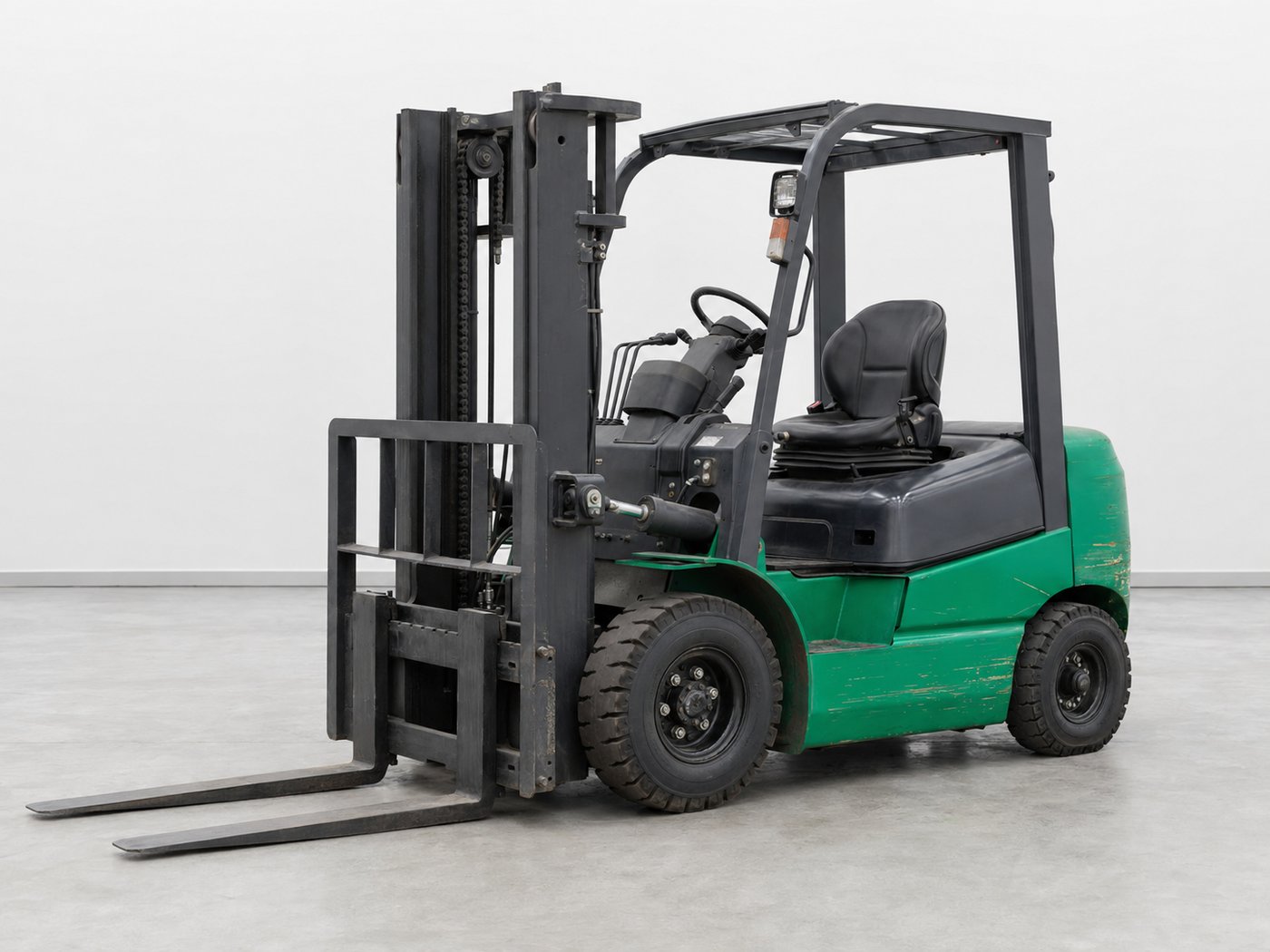
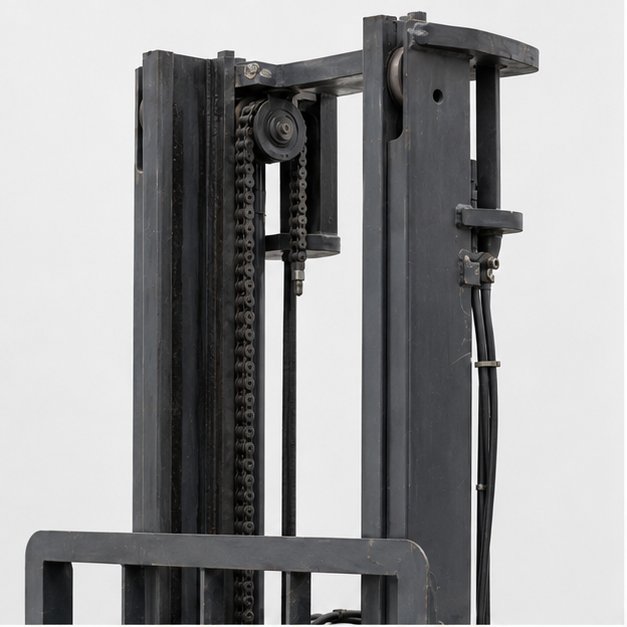
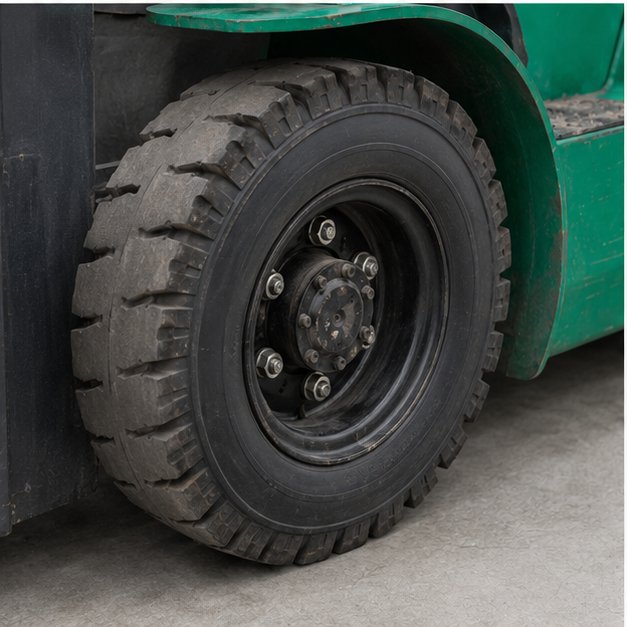
These show the type of machine we source in this brand. They are not photos of a unit we are holding. When we find your machine you get real photos of that exact one.
Is Hangcha a good forklift brand?
Yes, for the work most buyers actually do. Hangcha has built forklifts in Hangzhou since 1956, has been listed on the Shanghai Stock Exchange since 2016, and sold 280,012 trucks in 2024. This is not a shed operation.
By revenue it ranks eighth among the world's lift truck makers. By units built it ranks third, behind Anhui Heli and Toyota. In 2024 it shipped more trucks than KION, the German group that owns Linde and Still, on about a quarter of the money. That gap is the whole story of a Chinese forklift.
The honest weakness is not catastrophic failure, it is small things wearing early. Seals that weep sooner than a Japanese truck would, sensor faults, fasteners below the quality of the parts around them, and manuals too thin to help a mechanic who has not opened one. See our best forklift brands guide and our Chinese forklift brands view.
Hangcha vs Heli: the honest comparison
They are closer than anyone selling one of them will admit. Heli and Hangcha are the two halves of the Chinese forklift industry, built to the same national standards and sharing many of the same suppliers. On a 2.5 tonne diesel you are choosing between two very similar machines.
The split is scale against direction. Heli sold 340,218 units in 2024 against Hangcha's 280,012, and its strength has always been reach. Hangcha pushed harder at electric, where most of its output now sits, and moved earlier on a lithium line for export.
For a diesel the badge barely matters, so pick whichever has service nearer you. For lithium, Hangcha has the deeper line. Our Heli buyer's guide covers the other side. In this class the machine matters less than the man who fixes it.
Hangcha lithium and the 20,000 hour battery warranty
Treat the 20,000 hour figure as a dealer claim until somebody puts it in front of you in writing. It is quoted as up to 10 years or 20,000 working hours on the lithium iron phosphate packs in the XC series, and we could not find that term published on Hangcha's own global site. The words up to are doing real work there.
The truck itself carries a far shorter term than its battery, and warranty is set by the distributor for your market, so ask for the document covering your own country in writing.
| What is quoted on the lithium packs | The figure, August 2026 |
|---|---|
| Chemistry | Lithium iron phosphate, CATL cells named on the XC series |
| XC pack warranty | Up to 10 years or 20,000 working hours |
| Retention claim | At least 80 percent after 4,000 full charges |
| Lighter duty lithium | 5 years or 10,000 hours on the pack |
| Engine truck warranty | Typically 2 years or 4,000 hours, dealer dependent |
The everyday case for lithium is stronger anyway. No watering, no acid, no charging room, no second pack to swap at shift change. You charge it during breaks. Hangcha claims a full charge in about two hours on the A series, which we treat as a best case. Read diesel, electric or LPG first.
Hangcha X series and A series: what actually changed
Hangcha puts the same series letters on engine trucks and on battery trucks, so the letter on its own will not tell you which you are being offered. X, XF and A all appear on its internal combustion range, and X, XA, XC and XE all appear on its lithium range. The series letter is a platform name, not a spec, and the model code on the truck tells you more.
It reads the same on a Heli or an EP, and on an electric machine the fuel letter drops to give CPD. Translations of the last letter vary, so confirm the transmission on the spec sheet. Our model number decoder covers the rest.
The X series is the current engine platform, with a common rail engine and a fault code display, running 1.5 to 3.8 tonnes with 4 to 5 tonne machines above it. XF is the same in a newer body, and the A series covers engine trucks from 1.0 tonne up to 10 tonnes. On the battery side the A series lithium machines run roughly 1.0 to 3.5 tonnes, and their change is physical. The battery sits sunk low in the chassis rather than in a tray, which drops the centre of gravity.
One warning. Hangcha reuses these letters for different products in different markets, so buy on the model code and the data plate, never the series name. Use our serial number year lookup for the year.
New Hangcha or used Japanese: which is the better buy?
This is the only comparison most of our buyers actually run. For roughly the same outlay you can have a new Hangcha with zero hours and a warranty, or a used Toyota with thousands of hours and a reputation for running forever. What decides it is not the badge, it is who can fix it where you are.
| What decides it | New Hangcha | Used Japanese |
|---|---|---|
| Hours on arrival | Zero | Thousands, confirm on the meter |
| Warranty | Only where a distributor covers you | None as a rule |
| Parts locally | Service items yes, controllers rarely | Wide, even in small towns |
| Value in three years | Lower, thin used market | Higher, easier to sell |
| Your main risk | Support, not the machine | The previous owner, not the brand |
The used Japanese machine wins on the ecosystem around it. In much of Africa, South Asia and the Middle East a mechanic can guess a Toyota fault before he opens the panel. Read how many hours is too many and our Toyota buyer's guide first.
Resale is the part buyers underweight, and you can test it in ten minutes. Search the used machinery marketplaces for each brand in your region and count the listings. Then the rule of thumb. If a Hangcha distributor covers your country, a new Hangcha is often the better buy. If not, the Japanese machine is safer money.
Parts, dealers and service outside China
Parts exist. Getting them quickly is the question. Hangcha sells into more than 180 countries and regions through its distributor network, and independent groups such as TVH carry the lines, so filters, seals and routine service items are rarely the problem.
The parts that hurt are the ones only the factory or a regional subsidiary holds. A traction controller, a dash display, a drive motor, the battery board on a lithium truck. Ordering those from China commonly runs to weeks, not days, once freight and customs are added.
So do one thing before you buy. Call the nearest Hangcha service point yourself and ask whether it holds parts for your exact model. A dealer map is not a person with a van. Coverage is improving fast, with subsidiaries opened in Japan and Malaysia in 2024 and in Vietnam in 2025, and a Middle East arm as well, so check again if your country looked thin. Our forklift engines guide covers what is under the bonnet.
What to check before you buy a used Hangcha
Check everything you would on any used forklift, then three that belong to this brand. Which engine is fitted, whether the hydraulics are dry, and whether a lithium pack reports its health.
- The engine, read off the block. Hangcha diesels carry either a Chinese Xinchai 490 family engine or a Japanese designed Isuzu unit, depending on build and market. That sets your parts costs for life, so read the engine, not the brochure.
- Under the machine, on clean ground. Weeping hydraulic fittings are the most reported wear item here. Park it on a dry patch, wait ten minutes, look.
- The mast, three full cycles. Watch for a jerk at the stage change, uneven chains, and a load that creeps down while held.
- The battery, on a lithium machine. Ask for the state of health and cycle count from the battery management system, not a quoted runtime.
- The data plate. Model, serial, year and rated capacity at the stated load centre.
Capacity, mast height and weight vary by build, so treat every figure you are told as typical until the plate confirms it. Work through our used forklift buying checklist, and read buying a forklift overseas safely before you send money.
What we source and where we ship it
We do not sit on a yard of stock. You tell us the capacity, the fuel, the mast and the port, and we go and find the machine that fits. Then we send you photographs of that actual machine before you decide.
In Hangcha, what we are asked for and can find reliably is diesel counterbalance from 1.5 to 3.5 tonnes, LPG and petrol across much the same range, lithium electric from 1.5 to 3.5 tonnes, 4 to 5 tonne diesel for yard and container work, and electric pallet trucks and stackers.
Back come photographs of that machine, the hour meter, the data plate, the mast, the forks and the tyres, plus a video of it starting and lifting. Then a landed price to your port, freight and an estimate of duty included. Still choosing? Start with our Chinese forklift brands guide, or compare against EP and Heli. Once you know the spec, tell us what you need.
The Hangcha machines we source
Tell us which of these fits your work, or just tell us your loads and your site and we will point you at the right one.
- 1.5 to 3.5 ton diesel counterbalance
- 1.8 to 3.5 ton LPG and petrol counterbalance
- 1.5 to 3.5 ton lithium electric counterbalance
- 4 to 5 ton diesel counterbalance
- Electric pallet trucks and stackers
What we check before it ships
Whatever brand you buy, this is the list we work through on the machine we source for you, and we photograph every one of them.
- Hours on the meter We photograph the reading so you see the real number, not a claim.
- Mast and chains Lifts smoothly, chains even and within wear limits.
- Forks No cracks, heels not worn thin, both forks matched.
- Tyres Tread left and any cracking, photographed straight.
- Engine or battery Starts and runs clean, no leaks. Battery health tested on electric.
- Hydraulics Lifts and holds without a slow drop.
- Cab and controls Seat, gauges and levers, shown exactly as they are.
- Data plate and serial So you can check the year and the exact machine yourself.
Hangcha forklifts: common questions
Is Hangcha a good forklift brand?
Yes for most ordinary lifting work. Hangcha is third in the world by units built and eighth by revenue, and it has been making forklifts since 1956. The honest weaknesses are small components wearing early, thin service documentation, and the fact that any warranty is only as good as the nearest distributor to you.
Is Hangcha better than Heli?
On a diesel counterbalance the two are very close, so choose on whichever has service nearer you rather than on the badge. On lithium electric, Hangcha has the older and deeper product line.
How long does a Hangcha lithium battery last?
The figure quoted on the XC series lithium pack is up to 10 years or 20,000 working hours, with at least 80 percent capacity retained after 4,000 full charges, and 5 years or 10,000 hours on lighter duty lithium models. We could not find those terms published on Hangcha's own global site, so treat them as a dealer claim. Terms vary by market, so ask for the warranty document for your own country in writing.
Can you get Hangcha parts outside China?
Yes. Hangcha sells into more than 180 countries and independent suppliers such as TVH carry the brand, so routine service items are usually easy. Controllers, displays and battery boards are the slow ones and often ship from China, so ask the nearest dealer what they actually keep on the shelf.
What does CPCD25 mean on a Hangcha forklift?
It is the Chinese national code. C for forklift, P for counterweight, C for diesel, D for hydraulic transmission, and 25 for 2,500 kg capacity at the standard load centre. The electric version of the same truck reads CPD. Confirm the rated capacity on the data plate.
Should I buy a new Hangcha or a used Toyota?
If a Hangcha distributor covers your country, the new machine with a warranty is often the better buy. If none does, a used Toyota is usually safer, because parts and mechanics for it are everywhere and it holds its value better when you come to sell.