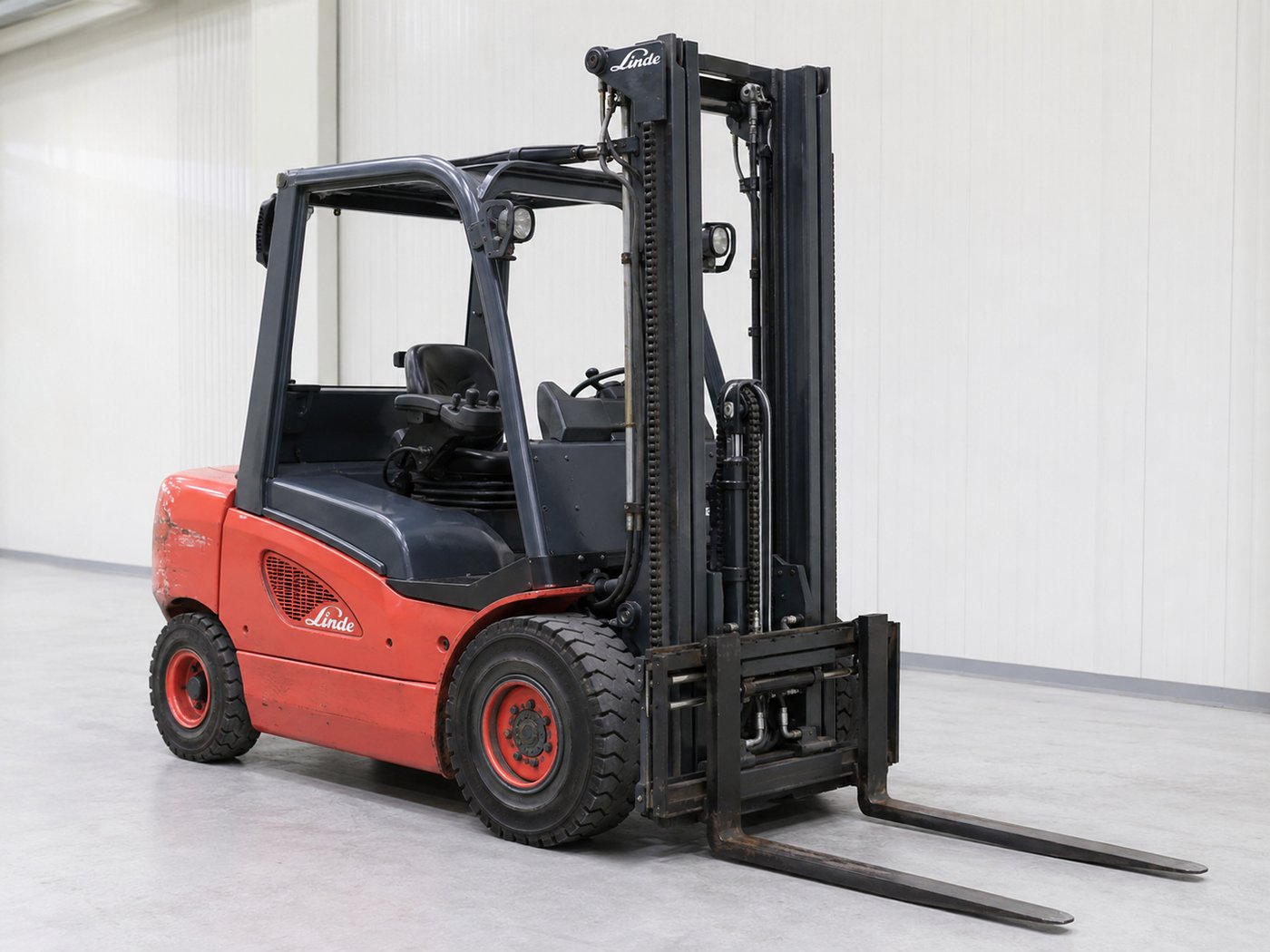
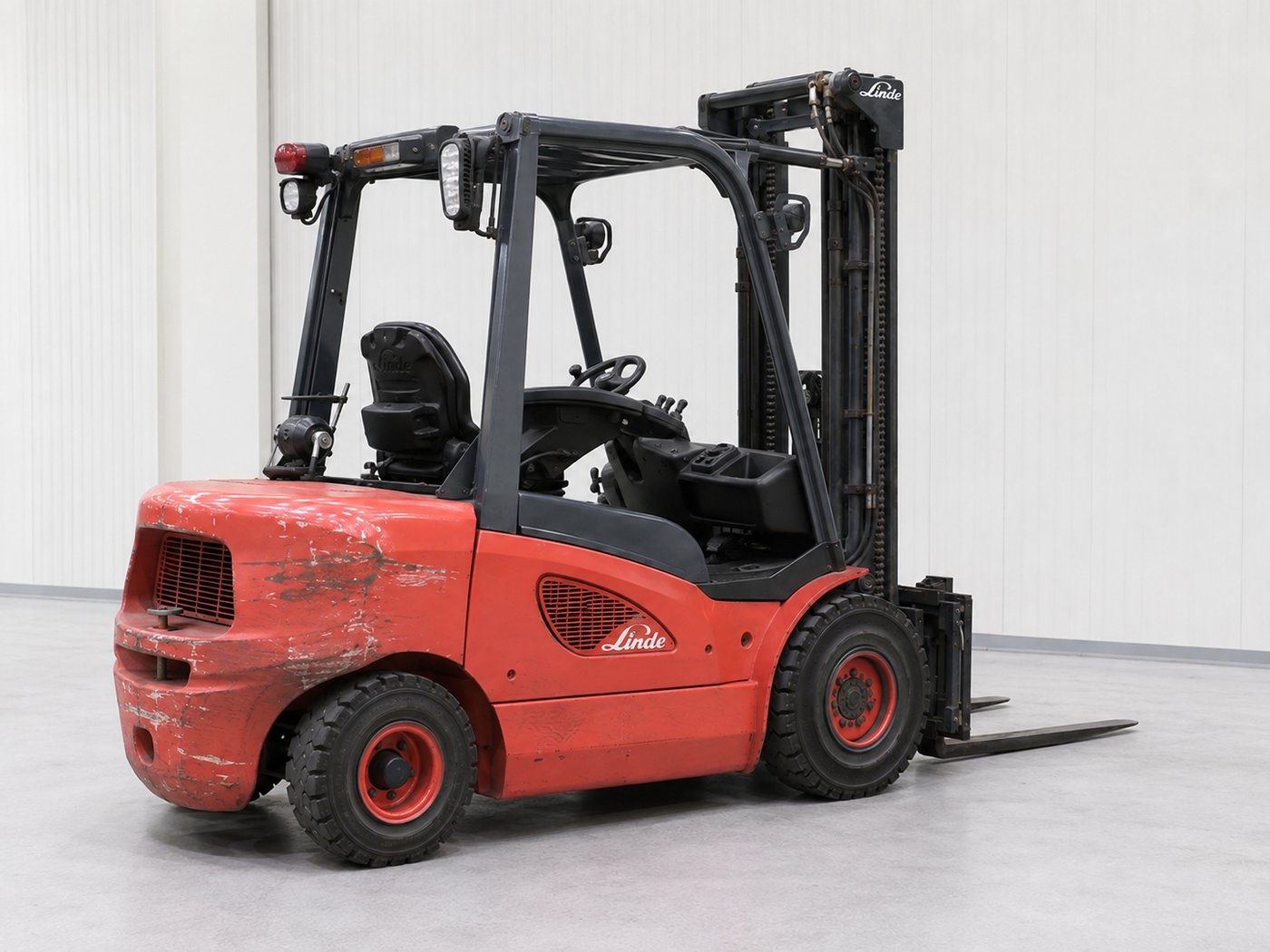
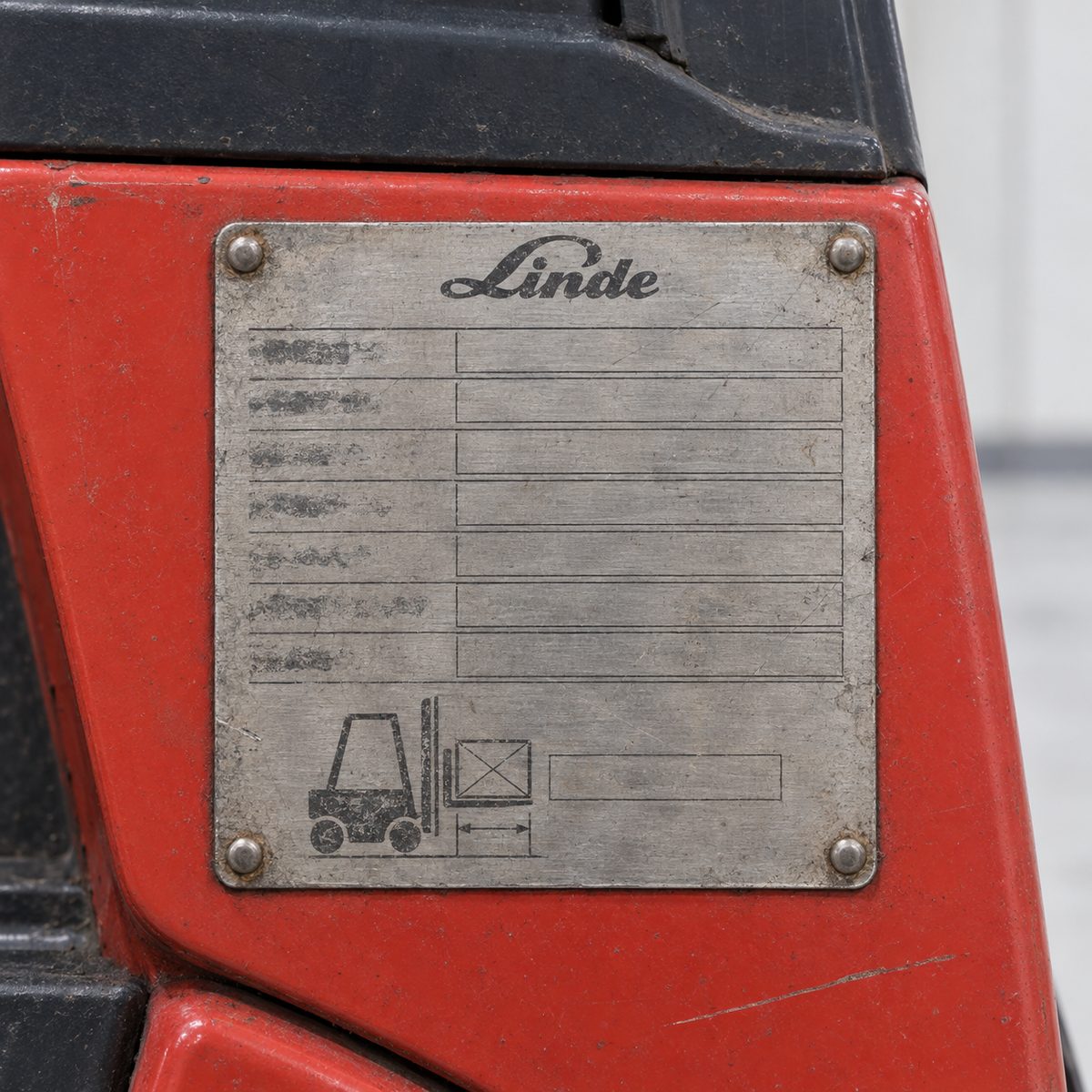
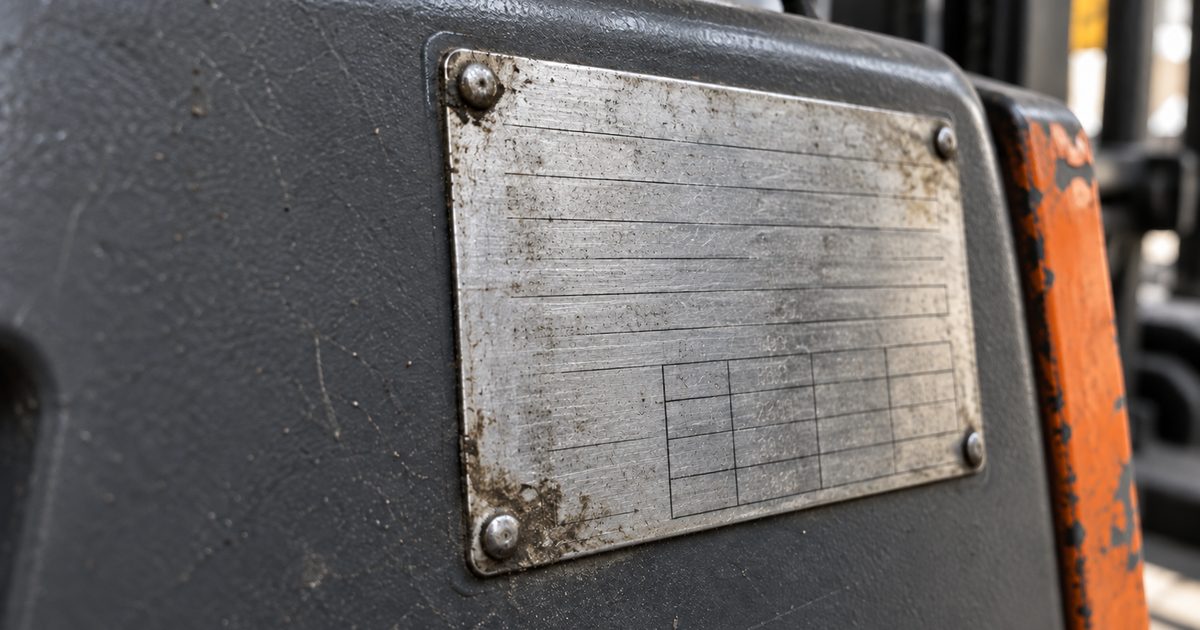
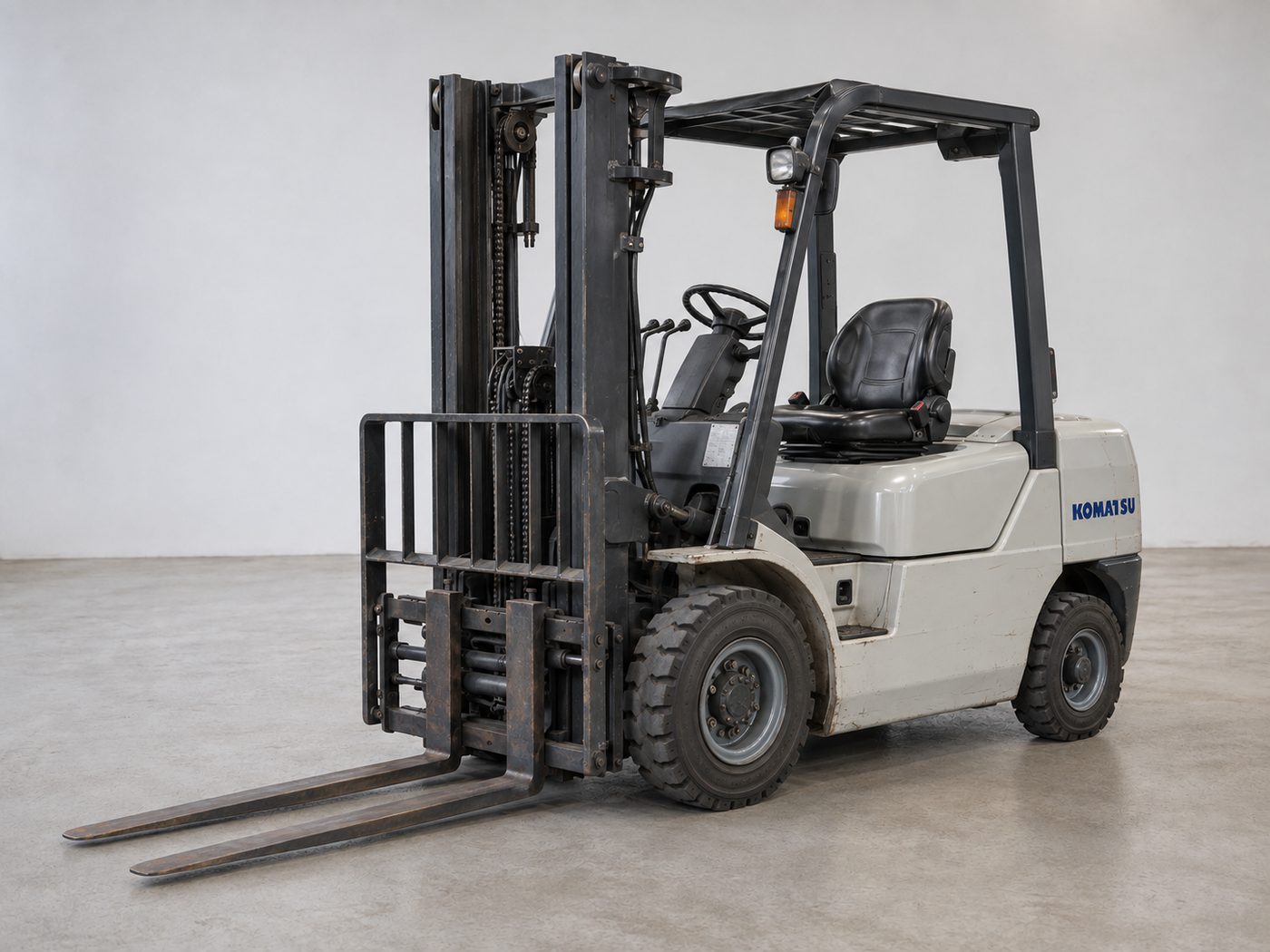
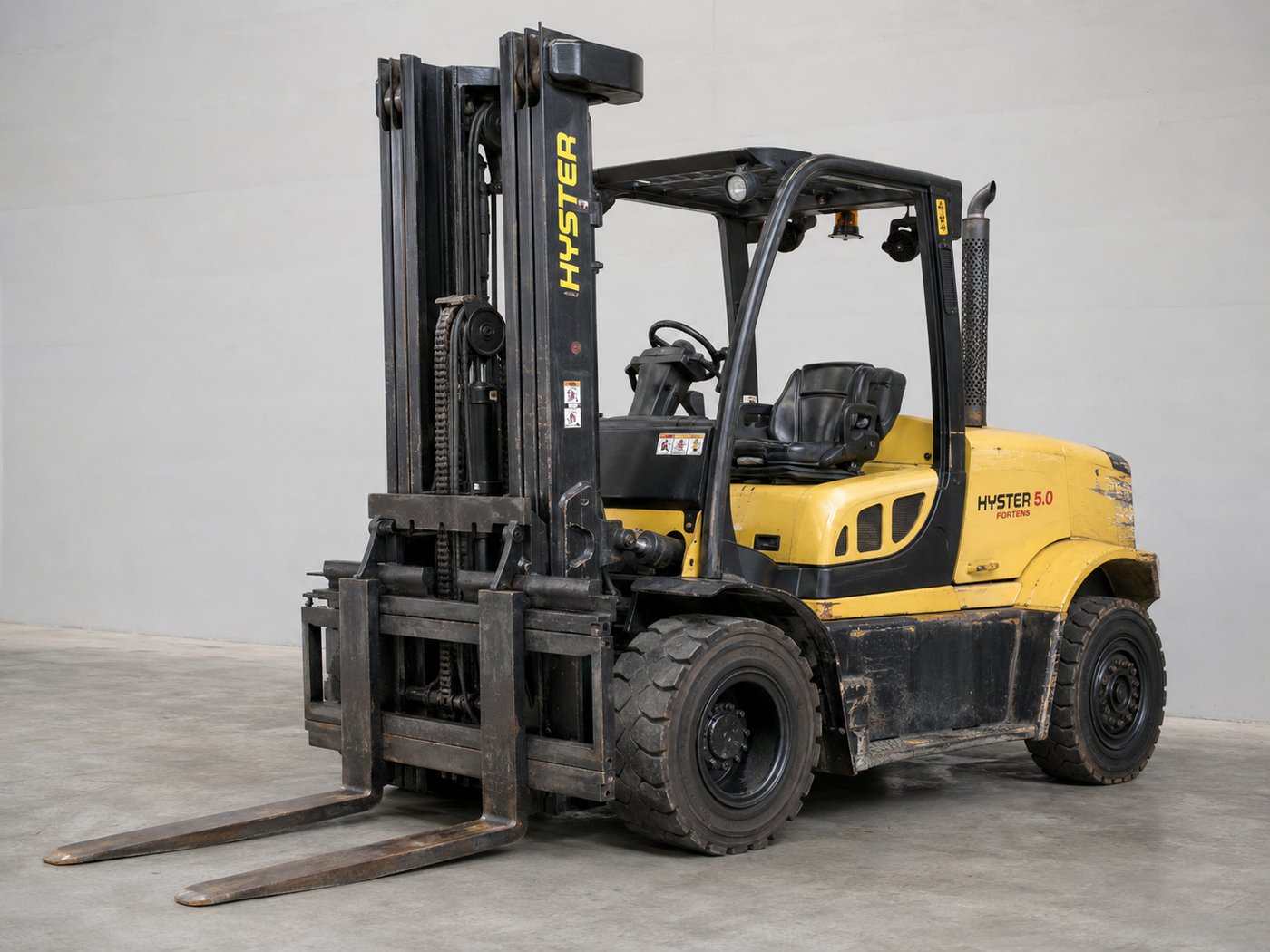
The badge gives you the fuel and the capacity. The three digit type number gives the parts man what he actually needs. H is an engine truck, E is electric, the number is capacity in hundreds of kilos, and the letter after it is the fuel.
HCounterbalance truck with an engine, E is the electric one
30Capacity in hundreds of kg, so 3,000 kg at a 500 mm load centre
DDiesel. T is LPG, CNG is natural gas
393The type number on the data plate, the series this build belongs to
EVO, P, IONLater generation, four wheel electric, lithium battery
Linde rates its smaller trucks at a 500 mm load centre, the European convention, while American trucks are usually rated at 24 inches. On the heavier machines it commonly rates at 600 mm instead, and where it does the badge says so, as in H50/600. Treat the capacities below as typical and confirm them on the data plate.
| Type number | Models it covers | What it is (typical) |
|---|
| 391 | H14, H16, H18, H20 | Engine truck, 1.4 to 2.0 t |
| 392 | H20, H25 | Engine truck, 2.0 to 2.5 t |
| 393 | H25, H30, H35 | Engine truck, 2.5 to 3.5 t |
| 394 | H40, H45, H50 | Engine truck, 4.0 to 5.0 t |
| 396 | H50, H60, H70, H80 | Engine truck, 5.0 to 8.0 t |
| 386 | E12 up to E20 | Electric, 1.2 to 2.0 t |
| 387 | E20, E25, E30, E35 | Electric, 2.0 to 3.5 t |
| 1202 | H20 up to H35 | Current range, 2.0 to 3.5 t |
The same badge lives in two families, since H20 appears in 391 and 392, H25 in 392 and 393, and H50 in 394 and 396, so the badge alone will not get you the right part. Quote the type number and the serial from the plate. Our forklift model number decoder covers the other brands, and the serial number year lookup dates it.